It's Christmas at Tingstad.com! See our carefully selected Christmas assortment. Click here!

Fire Safety in the Workplace - Responsibilities, Regulations, and Practical Advice

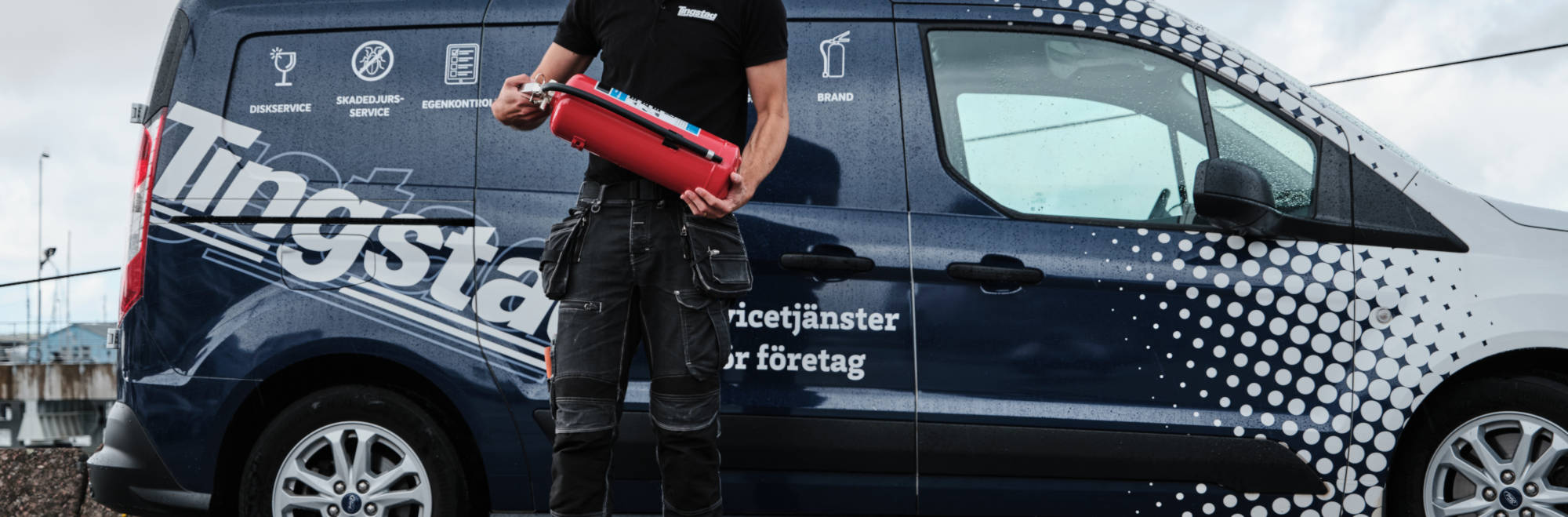
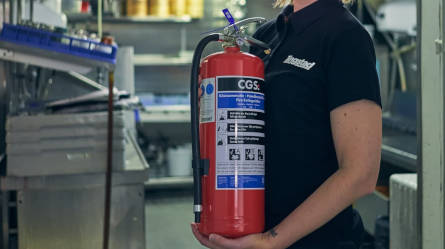
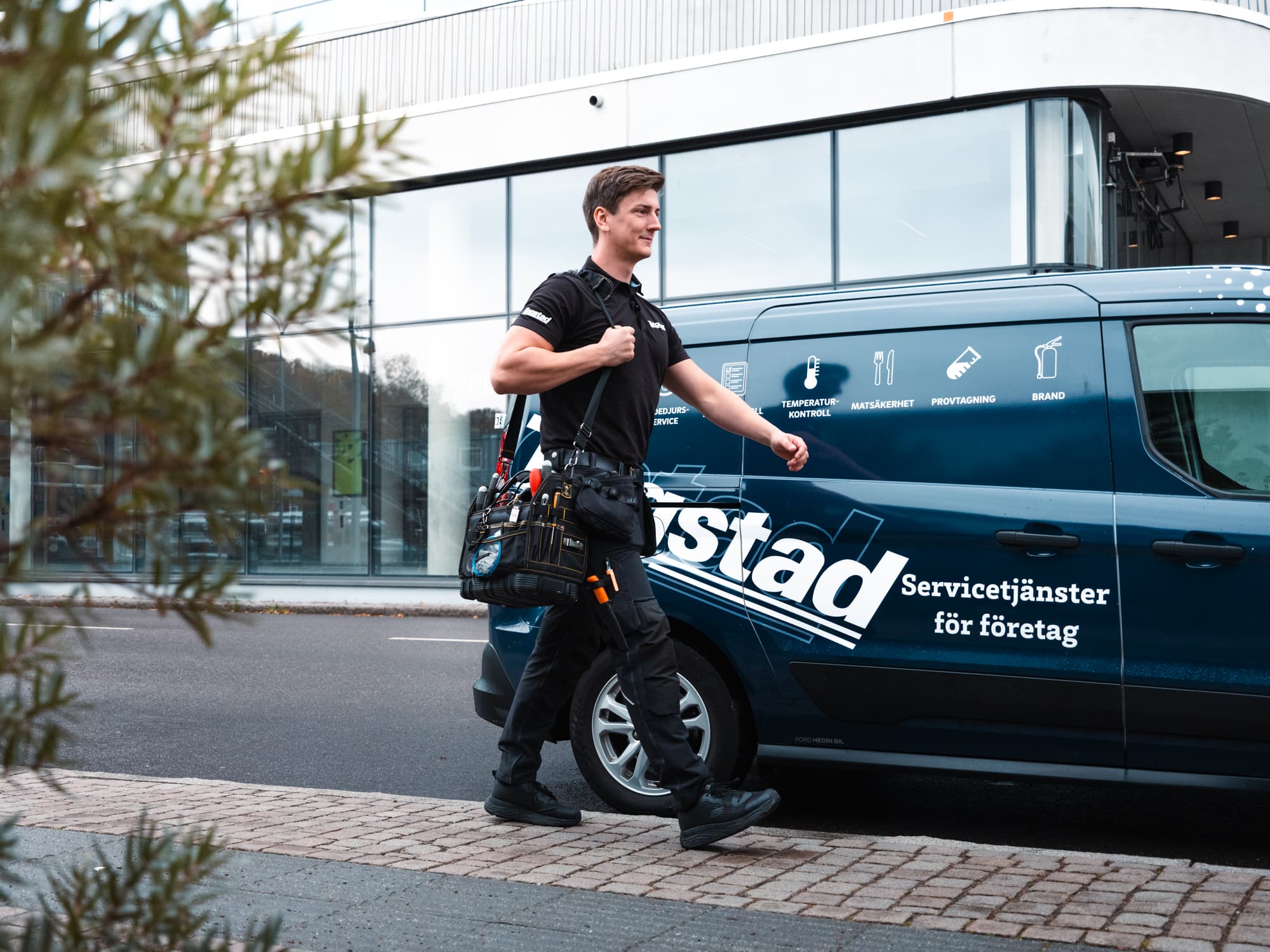
Tingstad servicebil med brandsläckare


Brandsläckare

Take advantage of this offer!

Ansulex system servicing

Campaign price: 2500:- (Regular price 4200:-) Contact us today at kontakt@tingstad.se to book your service! The campaign runs until 30 November.

Why Is Fire Safety Important in the Workplace?

A fire can result in personal injury, damaged equipment, and lengthy operational disruptions. Many risks can be reduced through clear procedures, appropriate equipment, and a proactive approach to fire safety.

Fire safety needs vary depending on the type of business. In an office environment, risks may be related to electrical equipment and battery charging. In restaurants and commercial kitchens, cooking oils and kitchen equipment are common fire hazards. Warehouses and industrial facilities often need to focus on machinery, flammable materials, and the storage of packaging materials.

Base your fire safety measures on the actual risks present in your premises. Firefighting equipment should not only be available but also correctly selected, easily accessible, and maintained in proper working condition.

Brandsläckare

Systematic Fire Safety Management

What Is Systematic Fire Safety Management?

Systematic Fire Safety Management (SFSM) is about maintaining control over fire safety within your premises. It means understanding the fire risks that exist, ensuring the right equipment is available, and making sure fire protection measures function as intended.

All businesses should work systematically with fire safety, but the extent of the work required varies. For a small office or retail store, simple routines and documentation may be sufficient. Hospitals, larger hotels, and industrial facilities typically require more extensive inspections, procedures, and documentation.

The foundation for systematic fire safety management is often established through national fire safety legislation and regulatory guidance. These regulations provide recommendations on how fire safety work should be organized, monitored, and documented.

SBA - Ansvar, rutiner och kontroller

Responsibilities, Procedures, and Inspections

An important part of fire safety management is knowing who is responsible for what. There should be a designated fire safety coordinator who oversees the work and ensures that inspections and follow-ups are carried out.

If the business rents its premises, the property owner and tenant should agree on how responsibilities are shared. This may include responsibility for fire alarm systems, evacuation routes, and maintenance of fire safety equipment.

Clear procedures should also be established for how and how often fire safety measures are inspected. This helps identify deficiencies at an early stage and ensures that equipment remains operational.

However, fire safety is not only about equipment. Employees must also know how to respond in the event of a fire. This is particularly important in environments such as healthcare and care facilities, where many people may require assistance to evacuate. Training and clear procedures are therefore essential parts of systematic fire safety management.

SBA Dokumentation av brandskyddsarbetet

Fire Safety Documentation

Documentation primarily serves the business itself. It helps maintain oversight of inspections, procedures, and responsibilities, even when staff members leave or new employees join.

The level of documentation required depends on the nature of the business and the fire risks involved. Examples include documenting responsibilities, inspection routines, completed inspections, and any identified deficiencies that require corrective action.

During an inspection, fire authorities may review how the fire safety management system operates and request access to the relevant documentation.

Laws & regulations 

When businesses select fire safety equipment, it is important to understand the applicable standards and requirements. The regulations range from European standards to industry-specific recommendations and insurance terms. For many businesses, it is essential to know which requirements apply to their particular environment and level of risk.

Key standards and guidelines

01

The Act on Protection against Accidents  

Under the Act (2003:778) on Protection against Accidents (LSO), fires and other accidents must be prevented, and harm to people, property and the environment must be limited. Anyone who discovers a fire or serious accident must, if possible, warn people in danger and call for help. Owners and holders of rights of use are also responsible for ensuring that fire-extinguishing and life-saving equipment is available and that fire protection is adequate.


The Swedish Civil Defence Agency (MCF) states in SRVFS 2004:3 that fire safety should be managed systematically through planning, inspection, maintenance and follow-up. This includes both technical measures, such as fire alarms and extinguishing equipment, and organisational measures, such as training, procedures and the allocation of responsibilities.

02

MCF

MCF, the Swedish Civil Defence Agency, formerly known as MSB, works to strengthen Sweden’s ability to prevent and manage accidents and crises, with fire protection and fire safety among its key areas. The agency produces knowledge resources, guidance and support to prevent fires and reduce their consequences when they occur. MCF also supports municipal rescue services and works to increase awareness of fire risks and how people can protect themselves.

03

Swedish Work Environment Authority 

The Swedish Work Environment Authority requires employers to prevent fire risks and ensure that all employees can evacuate the workplace quickly and safely. Functional, clearly marked escape routes, fire-fighting equipment and, where necessary, fire alarms must be provided. Employers must also inform and train staff about fire risks, evacuation and what to do in the event of a fire. Fire safety must form part of the company’s systematic work environment management, in which risks are identified, addressed and followed up. 

04

Insurance companies  

Many insurance policies require specific fire safety equipment for the insurance to remain valid, for example for hot work, agricultural machinery or camping operations. To find out exactly which requirements and conditions apply to your business, contact your insurance company. 

05

Swedish Transport Agency and Swedish Transport Administration  

The Swedish Transport Agency sets technical requirements for vehicles and certain equipment to reduce the risk of accidents and fires. Drivers are also responsible for ensuring that vehicles are used safely. The Swedish Transport Administration provides guidance on the safe use of vehicles and transport, such as ensuring that loads are secured and vehicles are in a safe condition. Anyone transporting dangerous goods has an especially significant responsibility to ensure that the transport is carried out safely and that procedures are in place to deal with incidents such as fires or spills.

Approvals

An approved portable fire extinguisher must be tested in accordance with SS‑EN 3 and meet the requirements for CE marking. This ensures that the extinguisher has a documented extinguishing performance and has been tested in accordance with European standards.


Services – Tingstad is here to help

Tingstad helps businesses with fire safety through the installation and servicing of fire safety equipment, as well as guidance on systematic fire safety management (SBA). We help businesses find fire safety solutions suited to their needs.


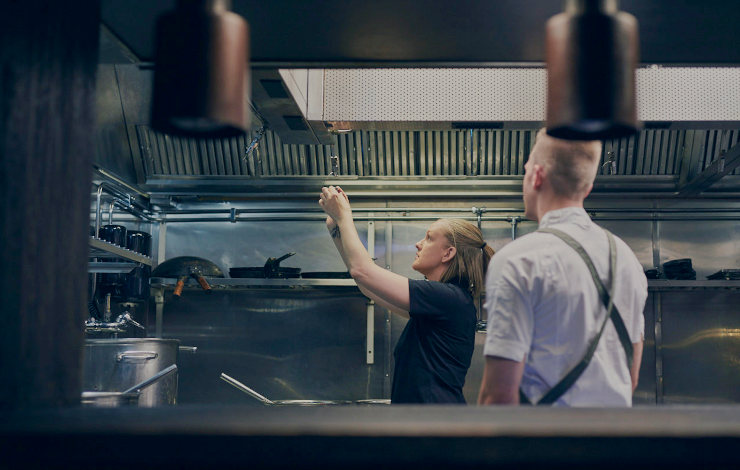
Tingstad also specialises in ANSUL R-102, an automatic fire suppression system used in commercial and restaurant kitchens, among other settings. The company provides installation, servicing and advice for safer and more effective fire protection.

What Fire Safety Equipment May Be Needed?

The equipment should be selected based on the fire risks present in your business. Below are some common elements of a fire safety setup. More detailed product information and guidance on choosing extinguishing agents can be found within the relevant product categories.

Fire extinguishers

ABC powder extinguisher Red powder extinguisher for fire classes A, B and C

Powder extinguisher (ABC)

  • Industry & manufacturing
  • Construction
  • Vehicles

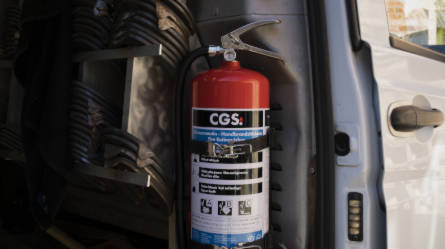
Fire extinguishers containing ABC powder are versatile and can be used on fires involving solid organic materials (class A), flammable liquids (class B) and gases (class C). Powder can also be used on fires involving electrical equipment, but it leaves residue that can damage sensitive electronics.

Carbon dioxide extinguisher Carbon dioxide extinguisher for class B fires

Carbon dioxide extinguisher (B)

  • Electronics
  • Construction
  • Offices

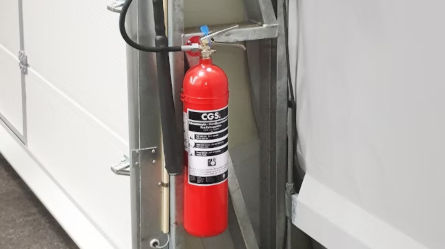
Carbon dioxide extinguishers are particularly suitable for fires involving electrical equipment and flammable liquids (class B). They are suitable for sensitive environments, such as certain offices and server rooms containing electrical equipment.

Water and foam extinguisher Water-based extinguisher for class A and AB fires

Water-based extinguisher (A/AB)

  • Healthcare
  • Offices
  • Retail
  • Grocery retail

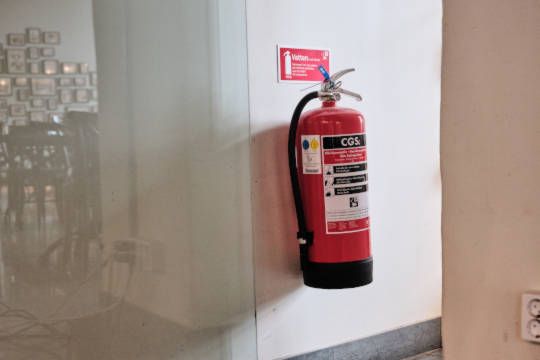
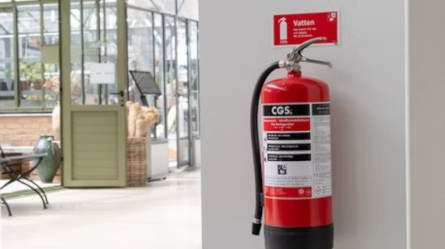
Water-based extinguishers, including water, water with additives and foam, are effective on fires involving solid materials (class A). Foam extinguishers can also be used on fires involving flammable liquids (class B). Foam extinguishers containing PFAS are being phased out but may still be present in workplaces.

Wet chemical extinguisher Wet chemical extinguisher for class F fires

Wet chemical extinguisher (F)

  • Restaurants
  • Commercial kitchens

Wet chemical extinguishers are specially designed to extinguish fires in cooking equipment, such as deep-fat fryers, griddles and other kitchen appliances that use cooking oil or fat. The extinguisher works by cooling the fire and forming a protective layer over the burning fat.

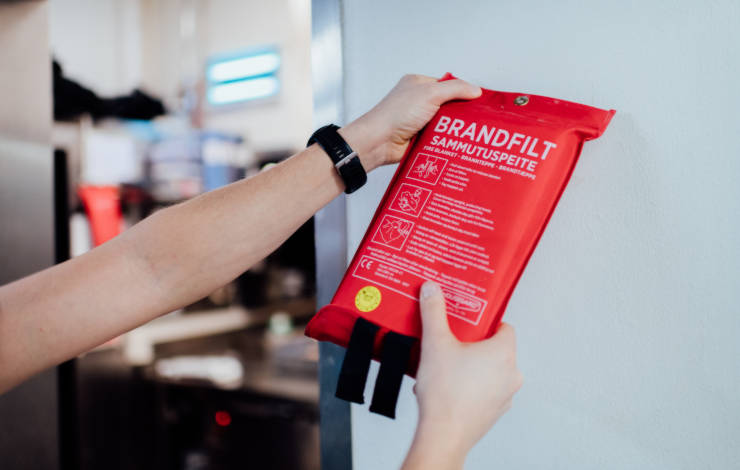
Brandfilt

Brandfilt

Fire blankets are an important complement to fire extinguishers when you need to quickly smother a small fire. Our fire blankets, from trusted brands such as CGS and Housegard, are available in various sizes and designs to suit your specific needs.

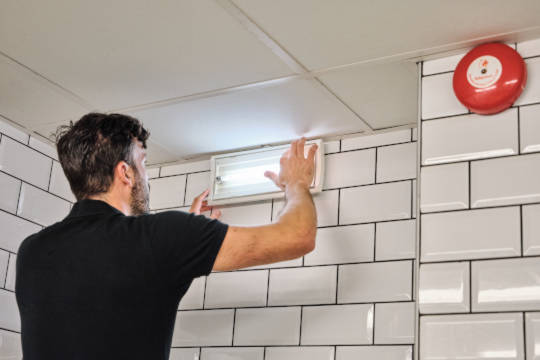
Smoke alarms are an essential part of creating a safe workplace and detecting a fire at an early stage. A high-quality smoke alarm provides a rapid warning of danger and valuable time to act safely and effectively.

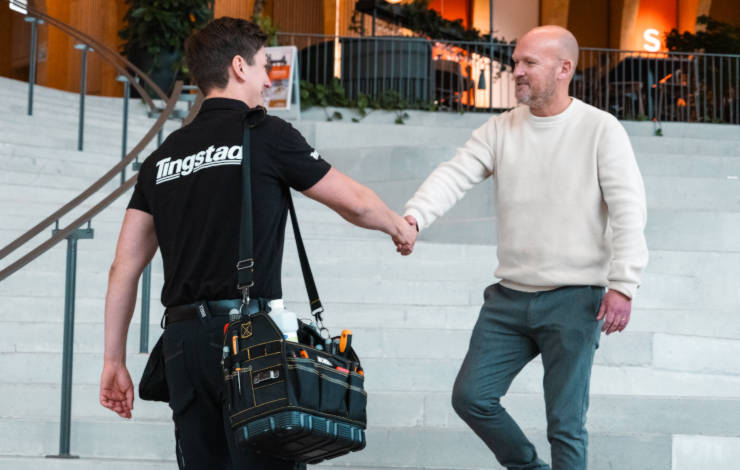
Tingstad brandskyddstjänst för företag

Need Help?

Get Help with Fire Safety for Your Business

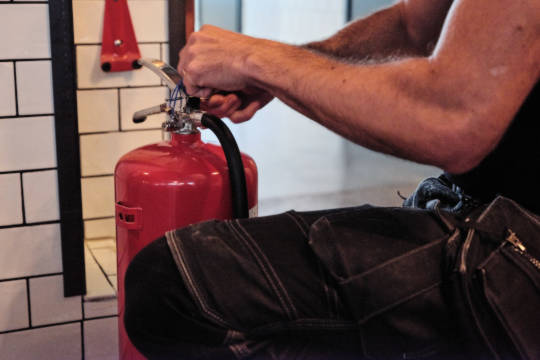
Tingstad offers services including inspection, servicing, and maintenance of fire safety equipment. Learn more about how we can help you review and improve fire safety within your business.

Author: Ruben Skoog

Last Updated: 2026-09-23

you may also like

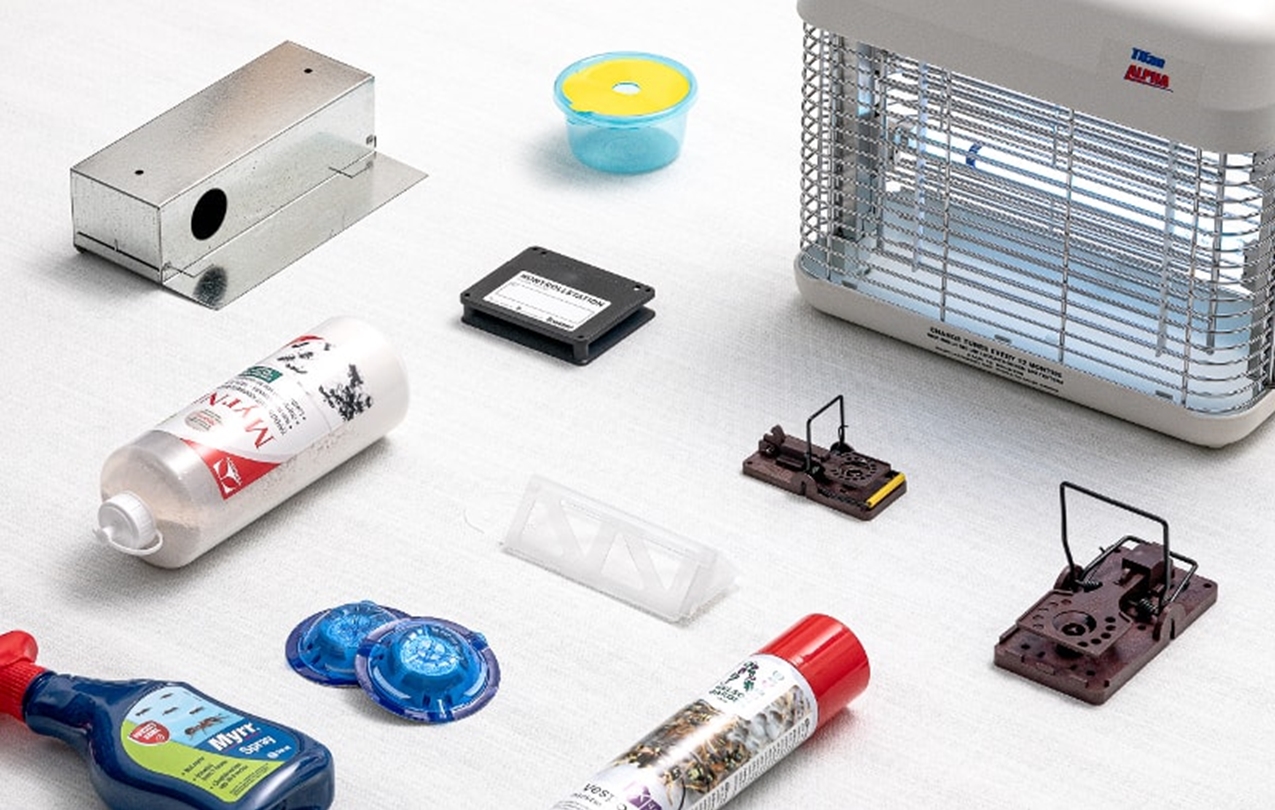
Tingstad Skadedjurskontroll
Pest Control.

Our pest control program is adapted to give you a long-term and worry-free result. Our pest control technicians have the knowledge required to give you concrete advice on what can be improved in your business to keep pests away.

Tingstad Diskservice
Clean and shiny!
Even the best of table settings can be spoiled if the glasses, cutlery or porcelain doesn’t look or feel clean. We offer a concept consisting of both products and services that you can rely on leaves you with clean dishes every time!
Livsmedelshygien för restauranger
Hygiene in restaurants.

Here you will find practical tips on how you can increase the hygiene in your restaurant. 

Get the latest updates from Tingstad!

Offers
Inspiration
Information

We can help you!

Visiting Address:

Marieholmsgatan 1, 415 02 Gothenburg

Post Address:

Box 13013, 402 51 Gothenburg

Information