 Svenska
 English
 Norsk
Norsk
 Suomi
Suomi
 Dansk
Dansk
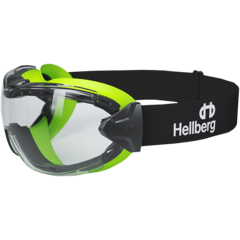
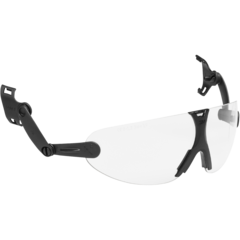
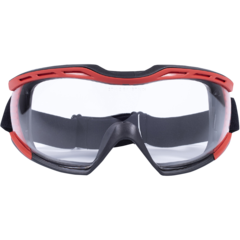
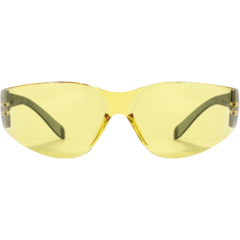
Guide: Protective eyewear.
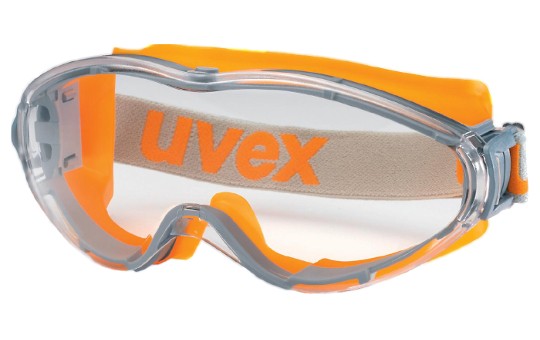
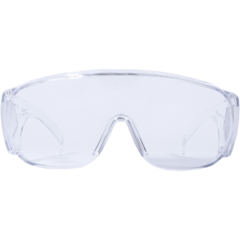
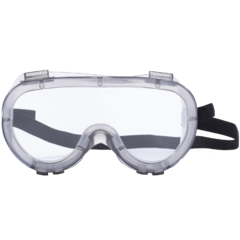
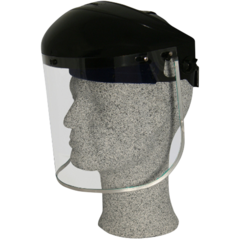
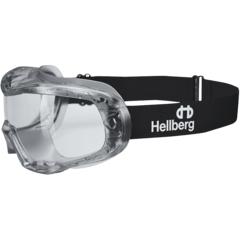
Learn more about different types of protective eyewear. There are a variety of tasks where vision can be damaged. Read more about which goggles you can use to protect your eyesight.
To be protected against eye damage in the workplace in a safe way, you need to wear safety glasses 100% of the time you perform work where there is a risk of eye damage. There are several types of risks that can damage the eyes. These risks vary depending on the work to be performed. Examples of risks are flying objects or particles, light, radiation and chemicals. When choosing safety goggles, it is important to carefully find out what risks there are in the work and that the safety glasses are adapted to the person who is going to wear them.
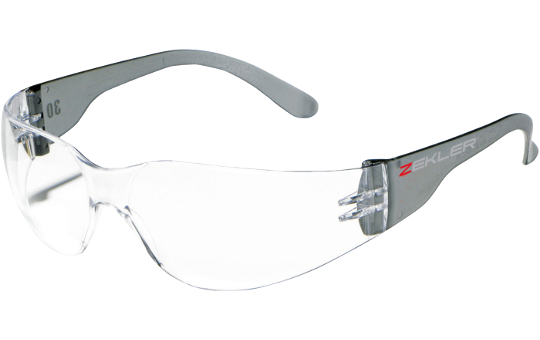
Goggles only protect the eyes and the area around the eyes. It is important to try out the goggles so that the person who is going to wear them feels that they have the right fit and that they are as close as possible to the eyes. The covers on the goggles should make sure that they do not slip down but do not sit too hard, which can cause them to scratch behind the ears. It is also important that the bridge of the nose does not sit too hard to counteract scratches to the nose.
All people have different faces. It is important that no matter what protective glasses you choose, the glasses adapt to the person's face shape so that they can be worn without any scratches occurring around the nose or ears. This means that the person does not remove the glasses during work because they are scraping.
There are several different types of standards for safety goggles. If your safety glasses are manufactured to an EN standard, you can be sure that they meet the requirements in that particular area.
EN 166 - Eye protection - Requirements and specifications
EN 167 - Eye protection - Optical test methods
EN 168 - Eye protection - Non-optical test methods
EN 169 - Eye protection - Filters for welding and related procedures - Requirements for transmittance
EN 170 - Eye protection - Ultraviolet radiation filter - Transmittance requirements
EN 171 - Eye protection - Infrared radiation filters - Transmittance requirements
EN 172 - Eye protection - Sunglasses for professional work
EN 175 - Personal protection - Eye and face protection when welding and similar work
EN 207 - Eye protection - Filter against laser radiation
EN 208 - Eye protection - Filters for use when adjusting lasers and laser systems
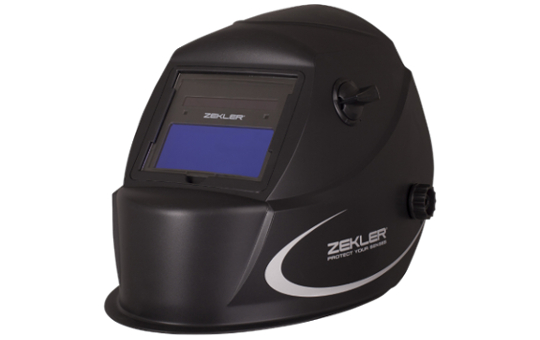
EN 379 - Eye protection - Automatic welding filters
EN 1731 - Eye protection - Eye and face protection of network type
Here you will find hearing protectors for a variety of tasks. From the smallest earplugs to larger covers.
Protect your head with our wide range of safety helmets and suitable accessories.
Protect your knees with our practical knee pads. When working on your knees, it does not take many hours to feel stiffness and pain, with a pair of resilient knee guards to counteract pain and injuries that might otherwise occur.
Vi hjælper dig!
Besøgsadresse:
Marieholmsgatan 1, 415 02 Göteborg
Postadresse:
Box 13013, 402 51 Göteborg





Shop sikkert med