 Svenska
 English
 Norsk
Norsk
 Suomi
Suomi
 Dansk
Dansk
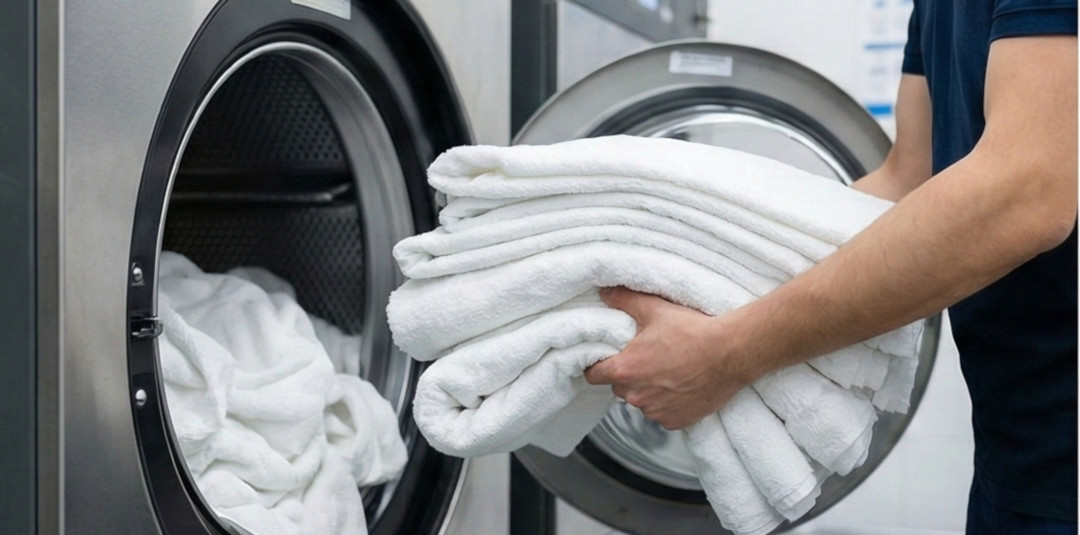
Sustainable laundry.
Wash properly and you can extend the life of your garments.
1. Wash moderatly - From an environmental perspective the best thing would be not washing at all. But most garments need to be washed every once in a while. If a garment is not visibly dirty it is sometimes enough to air it. This is especially true of wool that have the ability to clean itself.
2. Fill up the machine - Many modern washing machines weigh the laundry to use the right amount of water. In older machines this faunction is rare and it is therefore advisable to take the habit of always filling the machine.
3. Prewash is rarely needed - A prewash is only necessary if the clothes are very dirty.
4. Avoid softeners - Softener is not nice to the environment and when washing with softener it will follow the waste water. Certain garments and textile fibers are even damaged by softeners. Function clothing loses its ability to breathe and absorb moisture and towels get poorer absorption capacity. A cheaper and more environmentally friendly alternative for softer clothes is to use a small amount of vinegar instead of softener.
Ironing tips.
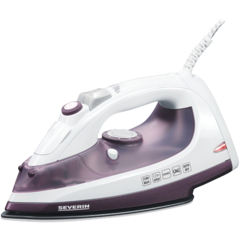
Different fabrics need to be iron i certiain ways. Here you will get tips on how to iron different materials:
- Cotton - Iron with a hot iron on a slightly damp garment.
- Linen - Iron with hot iron on reverse and then on the right side to bring a glossyness to the garment. Dark linen fabric is to be ironed only on reverse.
- Silk - Iron on medium heat on slightly damp fabric.
- Wool - Knitted wool. Turn the garment and press it to dry on the outside with a medium hot iron or steam iron. Woven wool. Press dry on the right side with a press cloth to not burn the fabric, with a medium iron or steam iron.
- Acrylic - When necessary press on reverse with a cool iron. Do not use steam or a damp cloth.
- Nylon and polyester - Iron only on reverse with cool iron to prevent glossyness.
- Acetate - Iron on reverse with cool iron.
AVOID GLOSSY MARKS AND IMPRINTS
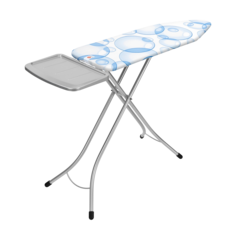
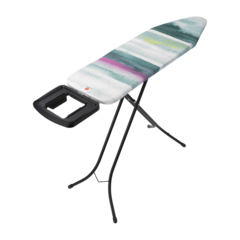
To avoid glossy marks and imprint it is good to use a well padded ironing board. If possible iron garments on reverse. Delicate and printed fabrics should always be ironed on reverse with a cool iron.
washing instructions
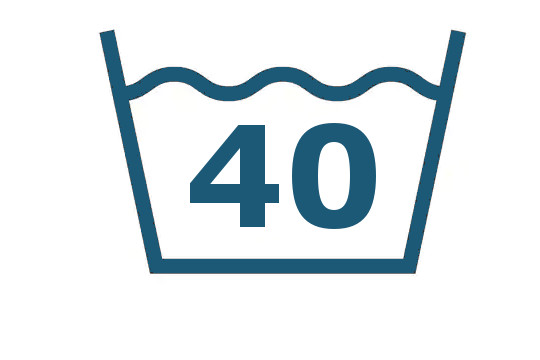
Vaskes ved maks 40ºC.
Plagget kan tvättas i maskin på max 40°C.
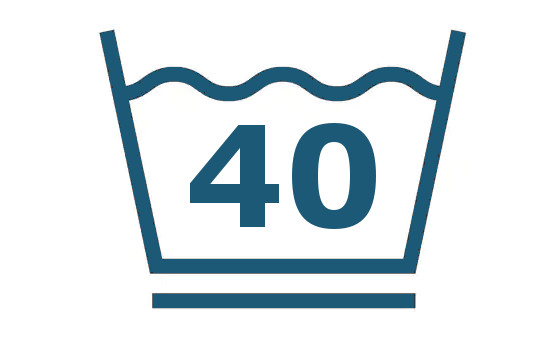
Skånsom vask ved maks 40ºC.
Tvätta i max 40°C med skonsamt program – passar känsliga material.

Ekstra skånsom vask ved maks 40ºC.
Tvätta i max 40°C med extra skonsamt program, t.ex. för siden eller ull.
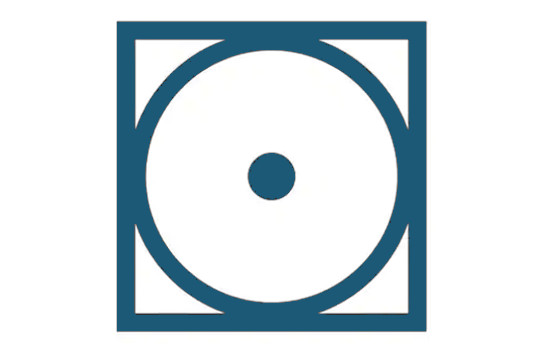
Tørretumbling ved maks 60ºC, normal temperatur.
Torktumla på skonsam temperatur, max 60°C.

Tørretumbling ved maks 80ºC, normal temperatur.
Torktumla på normal temperatur, max 80°C.
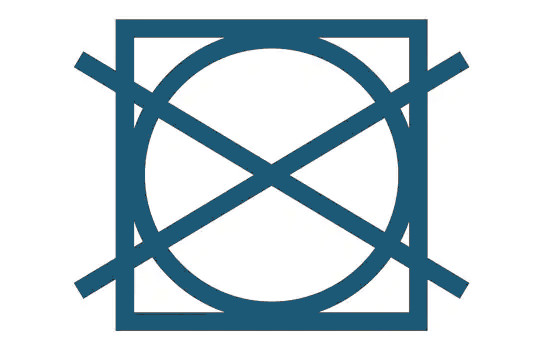
Tål ikke tørretumbling.
Lufttorka – torktumling kan skada plagget.

Strygning maks 110ºC, uden damp.
Stryk på låg värme utan ånga – passar akryl, nylon och acetat.

Strygning maks 150°C.
Stryk på medelhög värme – passar polyester och ull.
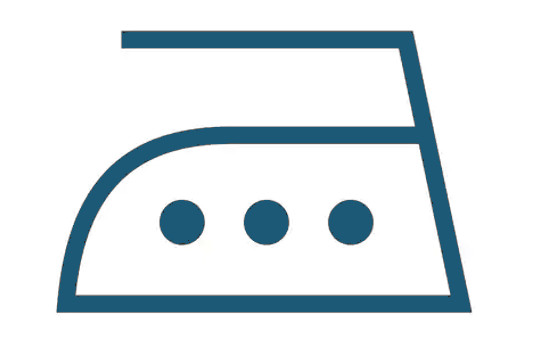
Strygning maks 200°C.
Stryk på hög värme – passar bomull och linne.

Tål ikke strygning.
Strykning kan skada plagget – undvik helt.

Klorblegning.
Plagget tål blekning med klorbaserade produkter.
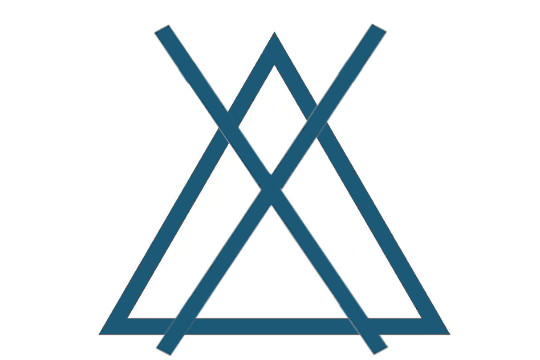
Tål ej klorblekning.
Undvik klor – använd endast syrebaserade blekmedel om nödvändigt.
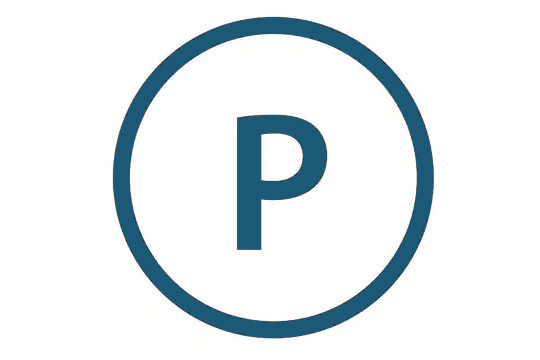
Rensning med perchlorethylen.
Plagget kan kemtvättas med vanliga lösningsmedel.

Tål ikke kemisk rensning.
Endast handtvätt eller maskintvätt – kemtvätt kan skada materialet.
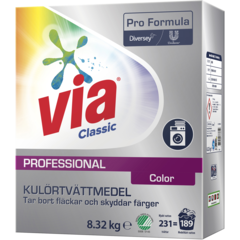
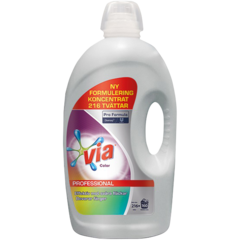
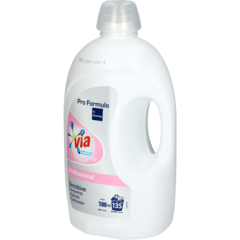
Produkter som hjälper dig lyckas






Forfatter: Tingstad
Senest opdateret: 2025-08-27