
 Svenska
 English
 Norsk
Norsk
 Suomi
Suomi
 Dansk
Dansk

Self-Inspection in Restaurants - Your Complete Checklist.
What is Self-Inspection?
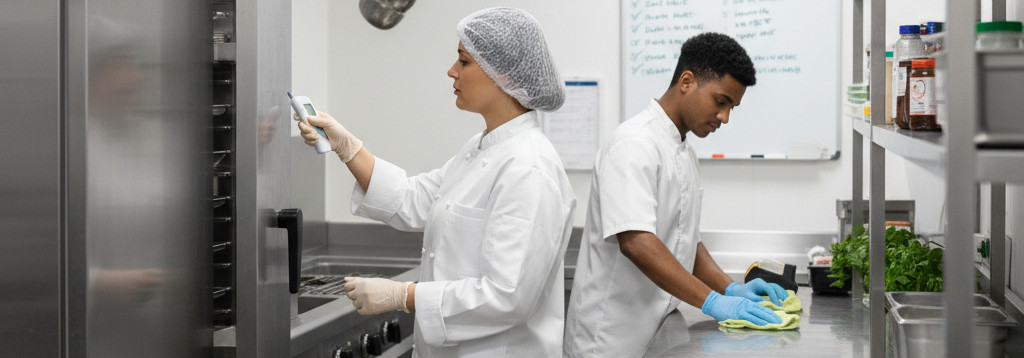
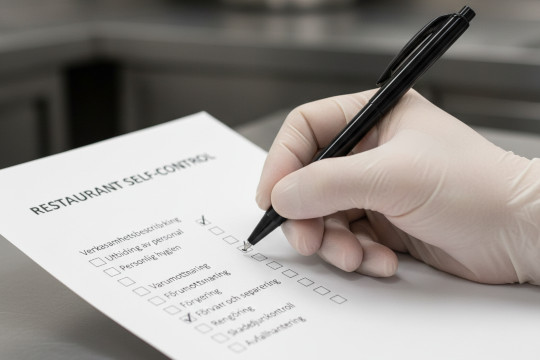
Self-inspection is a system of routines and documentation that shows how your restaurant prevents risks and complies with food legislation. It should be based on HACCP principles, where you identify and manage the critical points in your operation. These routines cover everything from personal hygiene and goods reception to labeling and cleaning.
Put simply: self-inspection means having control over everything that can affect food safety – and being able to prove it.
Checklist – Key Areas of Self-Inspection
Here are the areas you should keep track of:
-
Business Description
Briefly describe your restaurant type, opening hours, and number of seats. Clearly state who is responsible for what. -
Staff Training
Everyone handling food must have proper training. Make sure to document completed training sessions. -
Personal Hygiene
Have clear routines for handwashing, workwear, and hair protection. Sick staff should never handle unpackaged food. -
Goods Reception
Check all incoming goods: temperature, packaging, and cleanliness. Have clear routines for handling items with incorrect temperature, damaged packaging, or other deviations. -
Storage and Separation
Store food dry, chilled, or frozen according to each product’s requirements. Always separate allergens and special diets to avoid cross-contamination. -
HACCP and Hazard Analysis
Identify your critical control points – such as cooling cooked food, reheating ready meals, and storage temperatures. Document how each risk is managed. -
Cleaning
Establish both daily and periodic routines. Keep a cleaning log that records what is done, when, and by whom. -
Pest Control
Work preventively and have a contract with a pest control company. -
Waste Management
Sort and store waste properly. Have routines for grease traps and recycling. -
Water Quality
Are you using municipal water or a private well? A private well requires testing at least once a year. -
Labeling and Information
Ensure food, menus, and allergens are correctly labeled. Follow the requirements from the Swedish Food Agency.
Getting Started with Self-Inspection
-
Document Everything
It makes inspections easier and helps staff follow routines. -
Adapt to Your Business
Every restaurant is unique. Develop routines that work in your daily operations. -
Use Approved Industry Guidelines
For example, from Visita -
Involve Your Staff
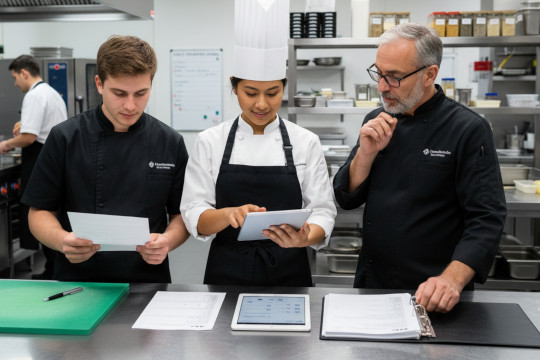
Self-inspection only works if everyone is on board. Make sure everyone understands why the routines exist – not just how to follow them.
Common Mistakes to Avoid
- Self-inspection that only exists on paper – make sure routines are actually used in daily operations.
- Forgotten updates when you change your menu, switch suppliers, or get new equipment.
- Unclear responsibilities – everyone should know who is responsible for what and when checks should be done.
- Lack of follow-up – self-inspection isn’t “done once and finished,” it requires regular review.
Sources and Industry Guidelines:
- Swedish Food Agency – Self-Inspection and Routines
- Visita – Industry Guidelines (PDF)
Author: Tingstad
Last Updated: 2025-10-10
Tingstad Service
SmartMate by Tingstad®.
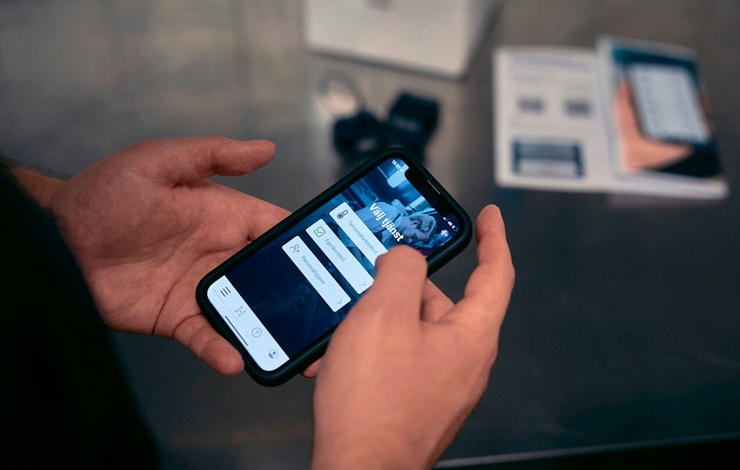
SmartMate by Tingstad® is the perfect service and app for all businesses handling food. With our app- and cloud-based service, you can stay in control of your operations through digital Temperature Monitoring, Self-Control, and/or Staff Register.

Tingstad Service
Food Safety and Sampling.
When you hire Tingstad Service, we can guarantee you cost savings with our food safety and sampling service. Our service is tailored to your business and is based entirely on your specific needs when it comes to food safety and sampling. This makes the service relevant, cost-effective, and safe for you and your business
Customer service
About us
Stores
We can help you!
Visiting Address:
Marieholmsgatan 1, 415 02 Gothenburg
Post Address:
Box 13013, 402 51 Gothenburg



Shop safely with

