
 Svenska
 English
 Norsk
Norsk
 Suomi
Suomi
 Dansk
Dansk
Choose the Right Material for Your Restaurant Frying Pan.
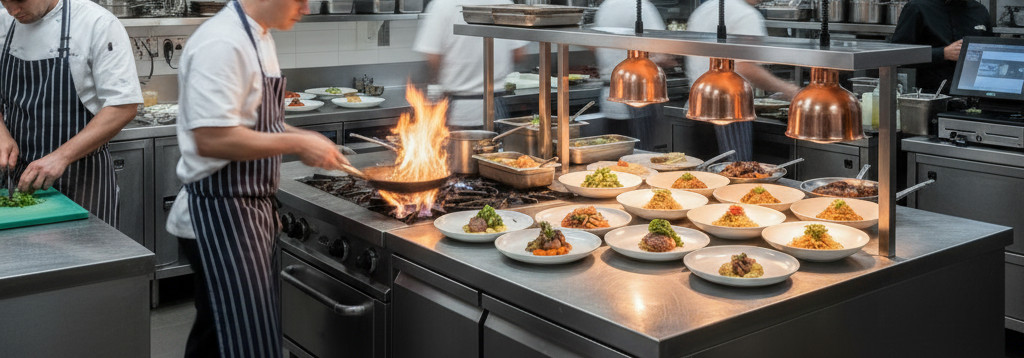
Why Material Choice Matters
In a restaurant environment, pans are used intensively: high temperatures, quick shifts between dishes, and daily washing. The wrong material can lead to uneven cooking, unnecessary wear, and higher costs. The right pan saves time, energy, and improves results every service.
Material affects:
- Heat conduction and retention: How quickly the pan heats up and how evenly the heat is distributed.
- Weight and manageability: Important during service and long shifts in the kitchen.
- Durability and lifespan: Can the pans withstand high heat, frequent use, and quick cleaning?
- Care and cleaning: Can the pans be machine-washed, do they need to be oiled, or require special care?
- Taste and cooking: Some materials provide a better sear, others are best for delicate or acidic dishes.
Choosing the right pan for the right purpose saves time, improves results, and reduces wear.
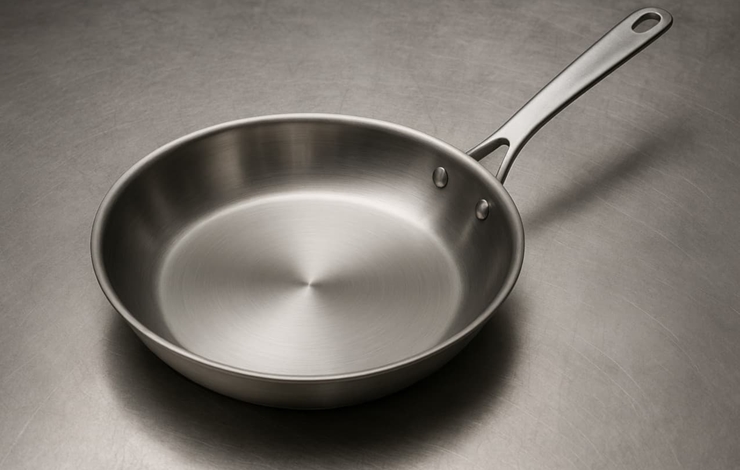
Stainless Steel Frying Pan
Advantages:
- Extremely durable, does not rust
- Neutral taste (does not react with food)
- Withstands high temperatures and dishwasher-safe
Disadvantages:
- Poor heat conduction on its own, but often combined with an aluminum or copper core
Best for: All-round use - sauces, meat, vegetables, wok
Care: Easy cleaning, low maintenance
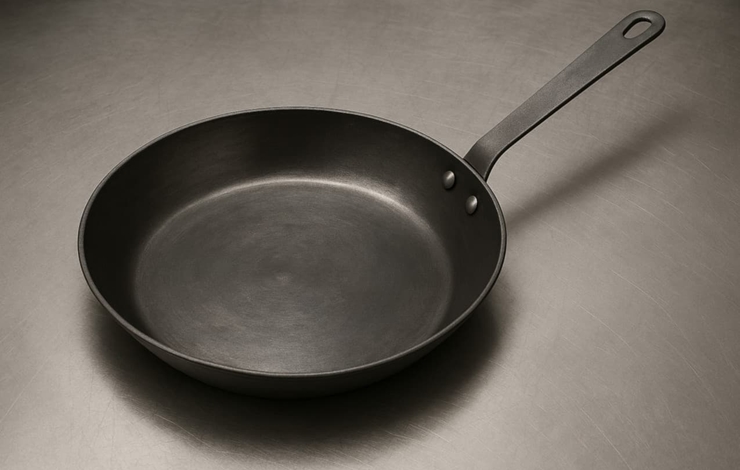
Carbon Steel Frying Pan
Advantages:
- Quick response to high heat
- Develops a natural non-stick surface with seasoning
- Provides excellent searing on meat
Disadvantages:
- Requires seasoning and regular maintenance
- Can rust if not cared for properly
Best for: Frying, wok, pancakes
Care: Hand wash, dry immediately, and oil
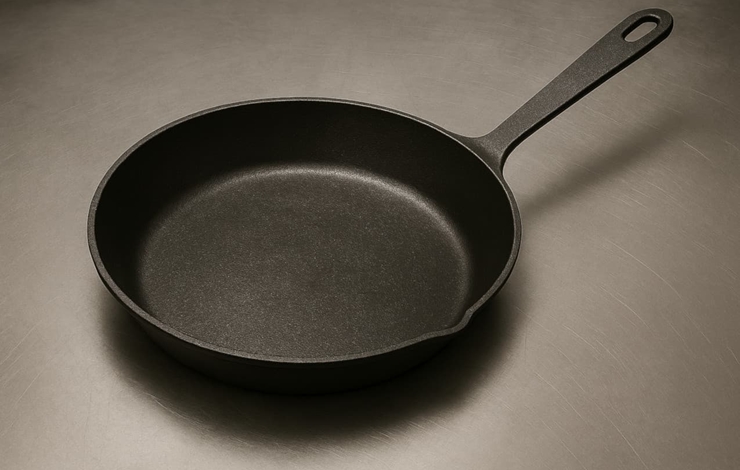
Cast Iron Frying Pan
Advantages:
- Superb heat retention (holds temperature for a long time)
- Very durable (can last generations)
- Natural non-stick surface with proper care
Disadvantages:
- Slow and uneven heating
- Heavy and can rust
Best for: Meat, slow cooking, oven dishes
Care: Hand wash, dry immediately, and oil regularly
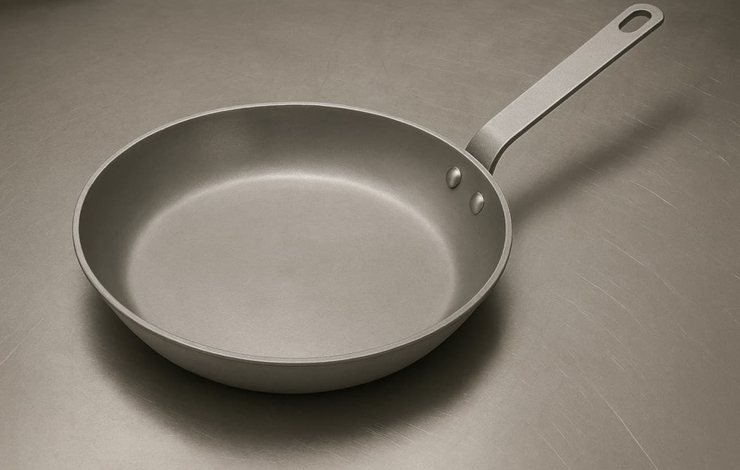
Aluminum Frying Pan
Advantages:
- Lightweight and quick heating
- Affordable
- Easy to handle during busy shifts
Disadvantages:
- Reacts with acids unless anodized or coated
- Relatively soft material, can scratch and warp
Best for: Omelets, quick frying (often anodized or coated)
Care: Avoid metal utensils, follow manufacturer’s instructions
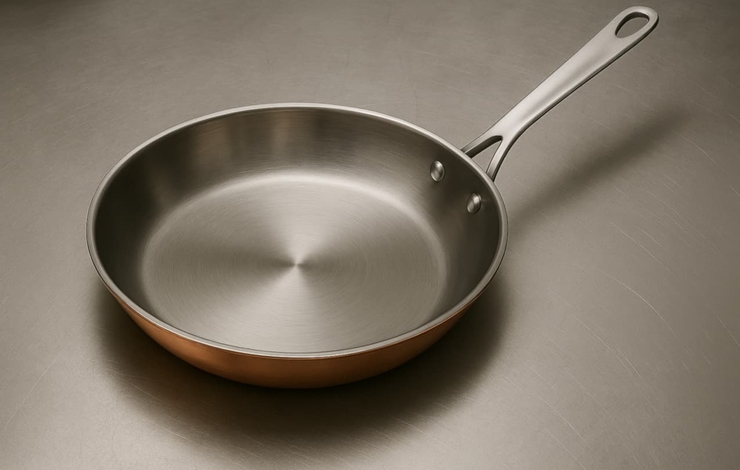
Copper Frying Pan
Advantages:
- Superior heat conduction and precision
- Fast temperature response (perfect for delicate dishes)
Disadvantages:
- Expensive
- Requires polishing to maintain appearance
- Almost always lined with stainless steel or tin
Best for: Sauces, chocolate, fish, delicate ingredients
Care: Polish regularly, avoid overheating
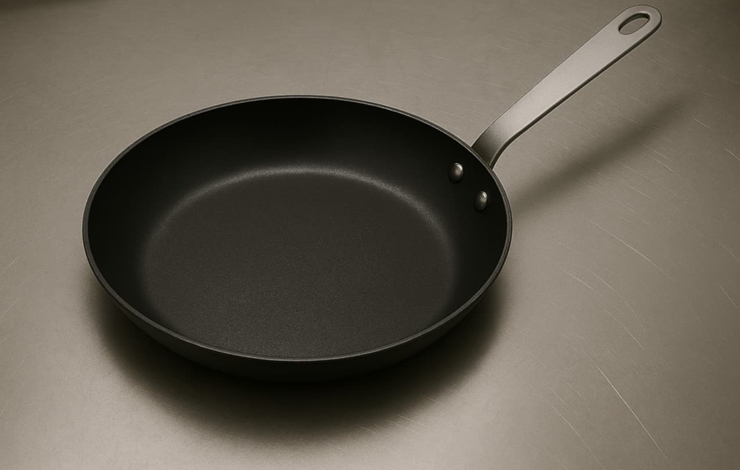
Non-stick Frying Pan
Advantages:
- Requires little fat
- Easy to clean
- Perfect for delicate ingredients
Disadvantages:
- Sensitive to high temperatures and metal utensils
- Shorter lifespan than other materials
Best for: Eggs, fish, pancakes (often as a complement, not the main pan in a restaurant)
Care: Use wooden or plastic utensils, avoid overheating
Comparison Table
| Material | Heat Conduction | Weight | Durability | Maintenance | Price Level |
|---|---|---|---|---|---|
| Stainless Steel | Medium | Medium | High | Low | Medium |
| Carbon Steel | Medium - High | Medium | High | High | Medium |
| Cast Iron | High | High | Very High | High | Low |
| Aluminum | High | Low | Low-Medium | Medium | Low |
| Copper | Very High | Medium | Medium | High | High |
| Non-stick | Medium | Low | Low | Medium | Medium |
Compatibility with Heat Sources
| Material | Gas | Electric | Induction | Oven |
|---|---|---|---|---|
| Stainless Steel | ✓ | ✓ | ✓ | ✓ |
| Carbon Steel | ✓ | ✓ | ✓ | ✓ |
| Cast Iron | ✓ | ✓ | ✓ | ✓ |
| Aluminum | ✓ | ✓ | Only with induction base | Limited |
| Hard-anodized Aluminum | ✓ | ✓ | With induction base | ✓ |
| Copper | ✓ | ✓ | With induction base | Limited |
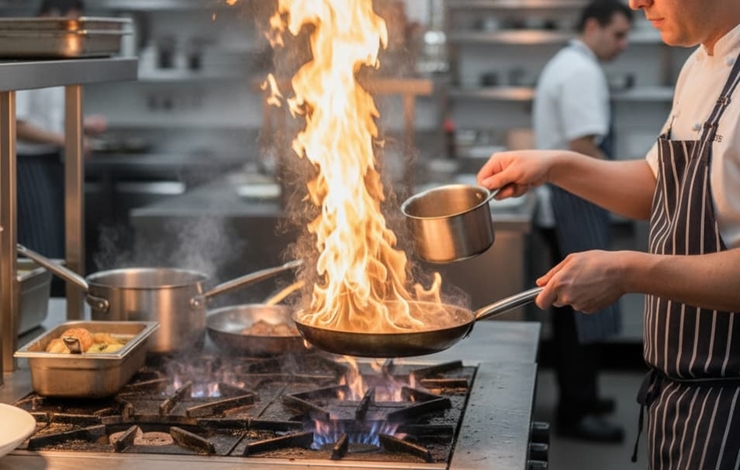
Tips for Choosing the Right Pan for a Restaurant Kitchen
- For high heat and searing: Carbon steel or cast iron
- For delicate ingredients: Non-stick or copper
- For all-round use: Stainless steel with aluminum core
- For quick service and easy handling: Aluminum (anodized or coated)
- For maximum durability: Cast iron or carbon steel
Frequently Asked Questions About Frying Pans
Which frying pan is best for restaurant kitchens?
Carbon steel and cast iron are classic choices due to their durability, high heat resistance, and ability to create a great sear. Stainless steel with an aluminum or copper core is another very common and versatile option in professional kitchens.
How do you season a carbon steel pan?
- Clean the pan thoroughly
- Heat the pan until it turns blue-gray
- Apply a thin layer of oil (rapeseed or sunflower oil)
- Heat until the oil smokes and burns off
- Wipe off and repeat 2–3 times
- Use the pan with fat for the first few uses
Can you put cast iron in the dishwasher?
No. Cast iron should always be hand-washed, then dried and oiled to prevent rust and preserve its natural non-stick surface.
Which pan is the most versatile?
Stainless steel with an aluminum or copper core works best as an all-round choice in restaurant environments. It combines durability with even heat distribution and a neutral taste.
How long does a frying pan last?
With proper care, a cast iron or carbon steel pan can last for decades—sometimes generations. A stainless steel pan can also last a very long time. Non-stick pans, however, have a limited lifespan and usually need to be replaced after a few years of intensive use.
Author: Tingstad
Last updated: 2025-08-29
Customer service
About us
Stores
We can help you!
Visiting Address:
Marieholmsgatan 1, 415 02 Gothenburg
Post Address:
Box 13013, 402 51 Gothenburg








Shop safely with

