
 Svenska
 English
 Norsk
 Suomi
 Dansk
Cleaning Tools and Equipment for Businesses
Here you will find a wide range of high-quality cleaning tools for everything from offices and schools to hotels and hospitals. We offer products from well-known brands such as Vileda Professional, Vikan, Unger, Ettore, and many more.
Our selection of cleaning tools includes everything from mops and brooms to cleaning carts and polishing cloths. We also have a wide range of ergonomically designed cleaning tools that minimize strain on the body.
Our goal is to offer cleaning materials that streamline and simplify the cleaning process while maintaining a high standard of quality and durability. We strive to offer competitive prices on all our products and are proud to offer fast delivery and high levels of service to our customers.
Explore our range of cleaning tools and order today to take your cleaning to the next level!


Brands


Choose the Right Cleaning Tools for the Job
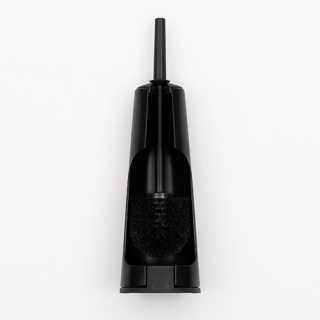
The cleaning tools you need depend on the surfaces being cleaned, how often they are cleaned, and the type of dirt involved. For daily facility cleaning, cloths, brushes, buckets, and spray bottles may be sufficient. In kitchens, workshops, and other demanding environments, more specialised cleaning tools may be required.
Here you'll find cleaning equipment for both everyday cleaning and more thorough cleaning tasks.
Brushes, Sponges and Scouring Tools
Different surfaces require different cleaning tools. A soft brush is suitable for more delicate surfaces, while stiffer bristles and scouring pads can be useful when dealing with more stubborn dirt.
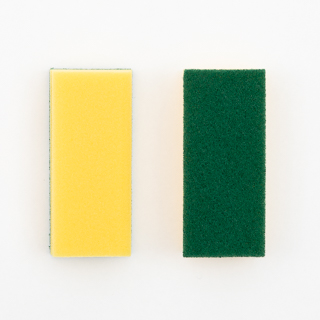
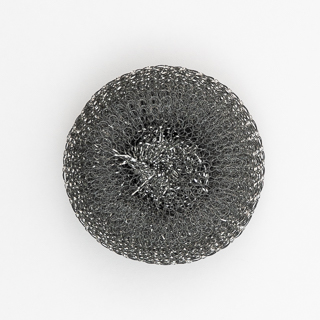
Our range includes hand brushes, cleaning sponges, scouring pads, and steel wool for a variety of cleaning tasks. Always ensure that the material is suitable for the surface being cleaned, especially when working with stainless steel, painted surfaces, or other materials that can be easily scratched.
Microfiber Cloths and Cleaning Cloths
Cleaning cloths are used for everything from wiping desks and furniture to cleaning kitchens, washrooms, and other areas.
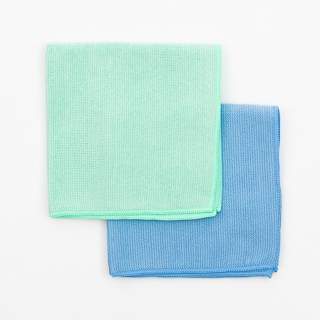
Microfiber cloths are a popular choice in professional cleaning because they can be used to remove dirt and dust, either dry or slightly dampened. We also offer dishcloths, disposable cloths, and other wiping products for different cleaning tasks.
Choose the cloth according to its intended use and check the washing instructions if it will be reused.
Buckets, Spray Bottles and Other Accessories
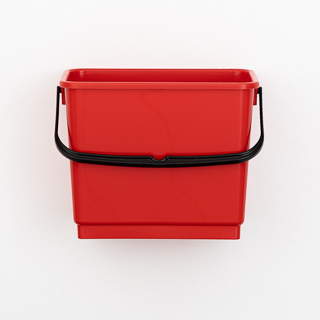
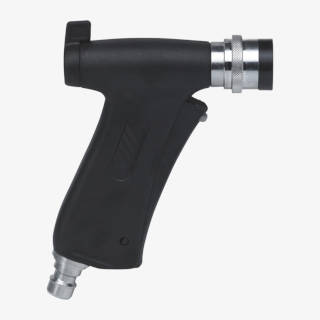
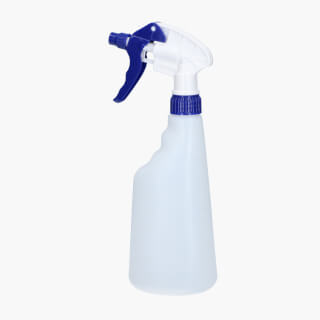
A good cleaning bucket and appropriate dosing equipment make it easier to prepare for cleaning tasks. Our range includes buckets in various sizes, spray bottles, pressure sprayers, and accessories for dispensing cleaning chemicals.
Choose products that are compatible with the cleaning agents you use. Also check the bottle material and labelling, especially when using chemicals that require dilution.
Cleaning Equipment for Different Types of Businesses
Cleaning requirements vary depending on the environment.
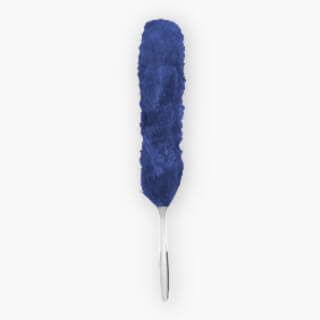
- Offices and schools: Microfiber cloths, dusters, spray bottles, and other tools for daily cleaning of furniture, workstations, and shared areas.
- Restaurants and commercial kitchens: Brushes, sponges, and cleaning tools suitable for food-service environments and hygiene procedures.
- Healthcare and care facilities: Cleaning tools that support routines for cleaning, disinfection, and separation of clean and used equipment.
- Industrial facilities and workshops: Scouring pads, brushes, and tools designed for tougher dirt and grime. Always ensure compatibility with the cleaning chemicals being used.
Colour Coding of Cleaning Tools
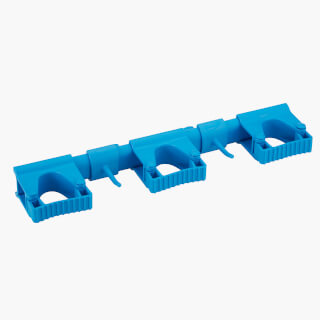
In facilities where different areas must be kept separate, colour-coded cleaning tools can be an effective solution. Using different colours for washrooms, kitchens, and other work areas makes it easier to keep equipment separated and reduces the risk of transferring dirt and contamination between areas.
Colour-coding systems may vary between workplaces. The most important thing is to have a clear system that all employees understand and follow.
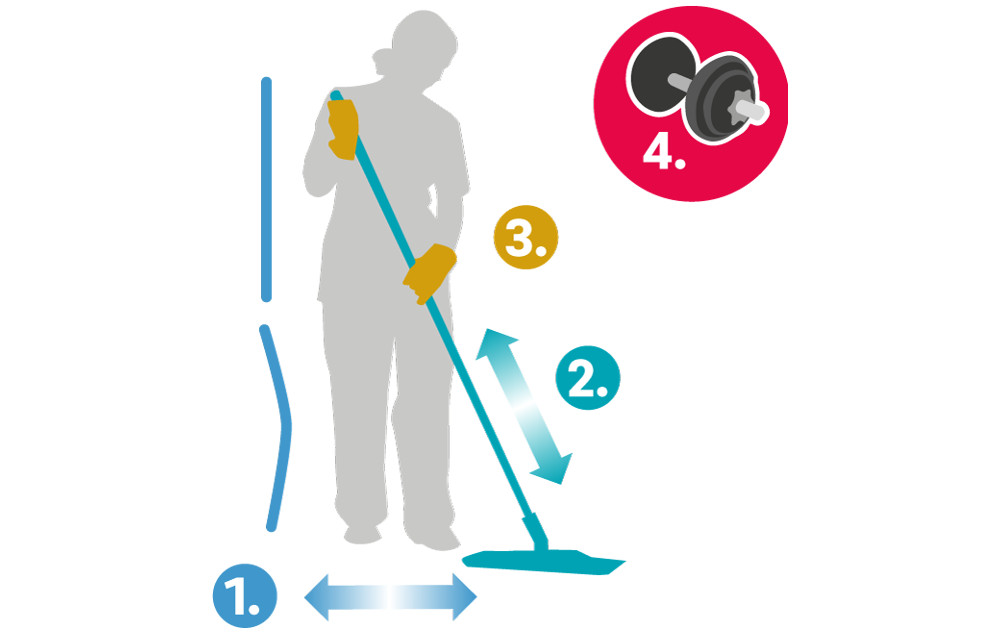
Clean properly to avoid straining the body.
To clean is a physical task, and it is therefore important not to strain the body unnecessarily. Muscle and joint pain can occur due to cleaning work. With some simple tips, you can learn to clean properly and not strain your body.
-
Movements: Avoid awkward positions and think about your posture. When mopping, move your feet from side to side to reduce the load on the upper body. It is also important to bend your legs instead of your back. Moreover, regularly look up to avoid always looking down at the surface being cleaned. This will help stretch and straighten your neck. Also, work with cleaning tools close to your body, because moving them away from your body increases the load.
-
Cleaning tools: A good starting point is to adjust cleaning tools to your body instead of forcing your body to fit the cleaning tool. For instance, a vacuum cleaner should not be too heavy and should be comfortable to grip. Hose and tube should also be adjusted to your height.
-
Protective products: Protective products such as gloves and hearing protection are important to prevent, for example, skin dryness or hearing damage.
-
Training and breaks: Training builds up the body, making it strong enough to handle cleaning tasks. Regular exercise and physical activity are therefore beneficial for the body, as well as taking breaks while cleaning so that the body can recover and rest.
Customer service
About us
Stores
We can help you!
Visiting Address:
Marieholmsgatan 1, 415 02 Gothenburg
Post Address:
Box 13013, 402 51 Gothenburg





Shop safely with

