
 Svenska
 English
 Norsk
Norsk
 Suomi
Suomi
 Dansk
Dansk
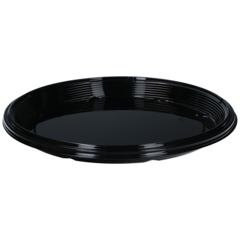
Disposable Serving Platters & Trays
Disposable serving platters and trays are suitable for the presentation, transport, and serving of food at catering events, buffets, events, and takeaway operations. At Tingstad, you will find disposable platters made from materials including plastic, aluminium, bagasse, and palm leaf in a variety of shapes and sizes. The assortment includes both serving platters with lids and models where a compatible lid is purchased separately. Choose a platter based on the dish, presentation, and handling requirements.
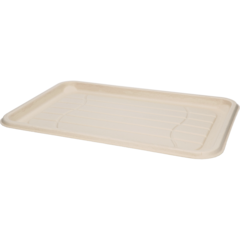
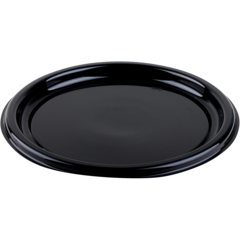
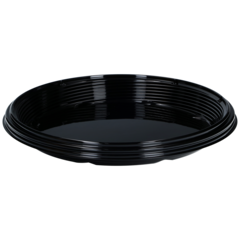
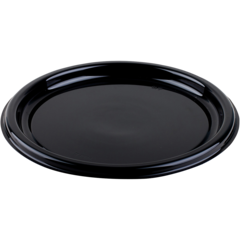
Showing to of articles
Choose a Serving Platter Based on the Food and Handling Requirements
The choice of serving platter depends on what will be served, how the food should be presented, and whether the platter needs to be used during transport. Compare material, shape, dimensions, and stability, as well as the availability of a compatible lid.
A platter for sandwich cakes or larger food displays should generally be flat and slightly larger than the food itself. For sushi, tapas, sandwiches, and cold cuts, the shape can instead be selected based on how the portions will be arranged and presented.
Plastic Serving Platters
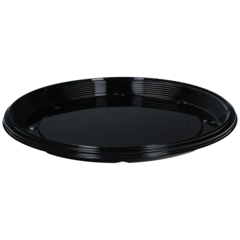
Plastic serving platters are available in a range of shapes, colours, and sizes. They are suitable for sushi, tapas, charcuterie, sandwiches, cold cuts, and other food presentations where an attractive display is important.
Some models can be combined with transparent lids. Always check that the platter and lid belong to the same product series and have compatible dimensions.
Aluminium Serving Platters
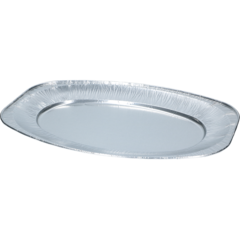
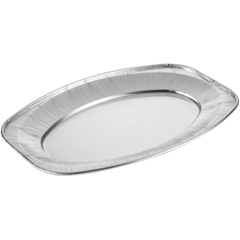
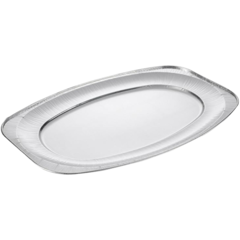
Aluminium platters are commonly used for catering, buffets, and the transport of larger food arrangements. They are available in various sizes and are suitable for sandwich cakes, cold cuts, finger foods, and both hot and cold dishes.
Temperature limits and recommended uses vary between models. Always review the product information when the platter will be used for hot foods, refrigerated storage, or specific temperature conditions.
Bagasse and Palm Leaf Platters
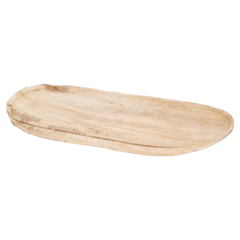
The assortment also includes serving platters made from bagasse and palm leaf. These materials have different textures and appearances and may be suitable when the platter is intended to be a visible part of the presentation.
Palm leaf is a natural material, meaning colour and texture may vary between products. Bagasse is a fibre-based material used for various disposable food-service products. Check individual product specifications for information about food contact, temperature resistance, and intended use.
Round, Oval, and Rectangular Serving Platters
Serving platters are available in round, oval, square, and rectangular formats. The shape influences both food presentation and how the platter fits on buffet tables or inside transport packaging.
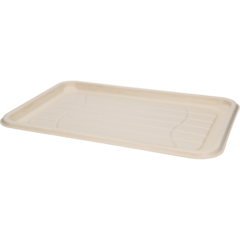
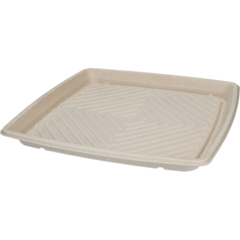
Round and oval platters may be suitable for charcuterie, fruit, and cold cuts. Rectangular and square models provide a clearly defined serving surface for sushi, sandwiches, pastries, and finger foods.
Always base your selection on the platter's external dimensions and the actual serving area available.
Serving Platters with Lids
A lid helps protect food during storage, display, and transport. The assortment includes both complete platter-and-lid combinations and serving platters where the lid is sold separately.
Always ensure that the lid is designed for the specific platter. Similar dimensions do not automatically guarantee compatibility. A lid also does not replace proper temperature control or established food-handling procedures.
Pack Size Based on Business Requirements
The number of platters per pack varies depending on the model and material. Compare pack sizes together with the platter's dimensions, material, and intended application.
For businesses with recurring catering, buffet, or takeaway operations, limiting purchases to a smaller number of standard formats can simplify both purchasing and inventory management of compatible platters and lids.
Frequently asked questions about disposable serving platters
The terms are often used synonymously. Presentation platters are usually used when arranging food before serving, while serving platters describe platters used directly on a buffet or serving area.
Aluminum and sturdier plastic platters are common because they combine stability with low weight.
Yes, several models can be complemented with lids for safer transport and hygienic storage.
For buffets, larger serving platters are often used to provide space for arrangements of cold cuts, sandwiches, salads, and finger food.
Customer service
About us
Stores
We can help you!
Visiting Address:
Marieholmsgatan 1, 415 02 Gothenburg
Post Address:
Box 13013, 402 51 Gothenburg








Shop safely with

