
 Svenska
 English
 Norsk
 Suomi
 Dansk
Insect Traps
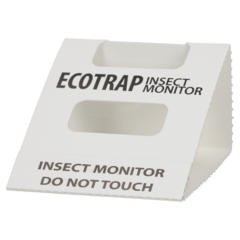
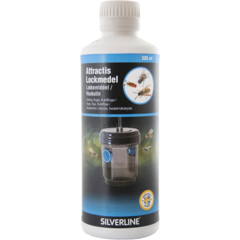
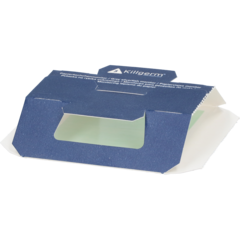
Problems with silverfish, clothes moths, bed bugs, or other insects? With the right insect trap, you can detect where insects are present and capture them where they are active. At Tingstad, you'll find sticky traps, silverfish traps, moth traps, and monitoring traps for bed bugs and other crawling insects. We also offer traps for small flying insects, as well as attractants and replacement glue boards.
The range is suitable both for investigating suspected insect activity and as part of an ongoing pest monitoring and control programme.

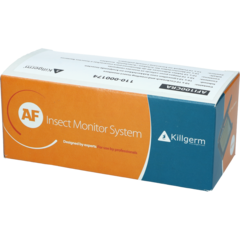
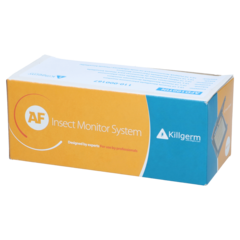
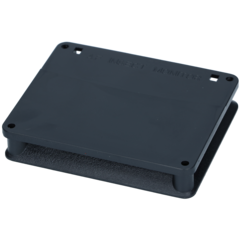
Showing to of articles
Choose the Right Insect Trap for Your Business
The best insect trap depends on which insects you want to catch and where the problem occurs. A trap designed for silverfish will not necessarily work for moths or bed bugs. Some traps are primarily used to detect activity, while others can also help reduce insect populations.
Here are some of the most common options.
Silverfish Traps
Silverfish can appear in bathrooms, kitchens, storage rooms, and other indoor spaces. They often stay hidden during the day, making them difficult to detect.
Silverfish traps typically use a sticky surface, sometimes combined with an attractant. Place traps where you have observed silverfish, such as along skirting boards or in locations specified in the product instructions.
The traps can help identify where silverfish are active and whether activity changes over time.
Moth Traps for Food Moths and Clothes Moths
Moths can cause problems both in food storage areas and in spaces where textiles are stored. It is important to distinguish between food moths and clothes moths because they attack different materials.
Many moth traps use pheromones to attract specific species. These traps are primarily designed to detect and monitor moth activity.
Always check which type of moth the trap is intended for. If you already have an infestation, you should also investigate and address the underlying cause.
Bed Bug Traps
Bed bugs can be difficult to detect because they often hide in cracks, bed frames, and other sheltered locations.
Bed bug monitoring traps are used to capture or detect signs of activity. Some models are placed under bed legs or in other locations where bed bugs are likely to travel.
A trap can provide valuable information, but an empty trap does not guarantee that bed bugs are absent. If an infestation is suspected, you should consult a pest control professional.
Cockroach Traps and Traps for Crawling Insects
Cockroaches and other crawling insects may occur in kitchens, storage rooms, warehouses, and similar environments. Sticky traps are often used to identify insect activity and monitor it over time.
Placement is important. Investigate where insects or signs of activity have been observed and follow the instructions for the specific trap.
If cockroaches are discovered in a food-handling environment, the issue should be investigated and addressed promptly.
Traps for Fruit Flies and Other Small Flying Insects
Small flying insects can quickly become troublesome in restaurants, cafés, bars, and other premises where food and beverages are handled.
Special fruit fly traps are available to attract and capture fruit flies. Other sticky traps can be used to detect and monitor small flying insects.
To achieve better results, you should also identify and remove factors that attract insects, such as food residues, waste, and damp areas.
You'll also find additional options in our range of fly traps.
How to Gain Better Control of Insects
Insect traps can be useful tools, but it is also important to understand why insects are present in the first place.
A few key points to consider:
- Choose a trap designed for the target insect.
- Place the trap where you suspect activity.
- Inspect traps regularly and monitor the catch.
- Replace glue boards and attractants according to the manufacturer's instructions.
- Keep storage areas, warehouses, and other spaces clean.
- Investigate whether moisture problems, food residues, or other contributing factors need to be addressed.
For larger or recurring infestations, additional measures beyond trapping may be required. Tingstad also offers professional pest control services for businesses.
Customer service
About us
Stores
We can help you!
Visiting Address:
Marieholmsgatan 1, 415 02 Gothenburg
Post Address:
Box 13013, 402 51 Gothenburg








Shop safely with

