
 Svenska
 English
 Norsk
 Suomi
 Dansk
Mice in the Workplace: Signs, Prevention and Control

Why Are Mice a Problem?
Mice can cause damage by gnawing on packaging, insulation, and other materials. In some cases, they may also damage electrical wiring.
In businesses that handle food, mice are a particularly serious issue. Droppings, urine, and gnaw marks can contaminate food products and packaging. For this reason, it is important to identify and address problems as early as possible.
Signs You May Have Mice
Mice are often active when premises are quiet, meaning you may not see the animals themselves. However, you can often identify traces of their activity.
Common signs include:
- Droppings: Small, dark droppings along walls, behind equipment, or in storage areas.
- Gnaw marks: Damage to cardboard boxes, food packaging, wood, and other materials.
- Noises: Scratching or rustling sounds from walls, ceilings, and hidden spaces.
- Tracks: Small footprints in dust or signs of movement along walls and skirting boards.
- Nest material: Shredded paper, insulation, or other soft materials gathered in protected locations.
If you spot several of these signs, inspect the area more closely. Pay particular attention behind equipment, under shelving, and where pipes or cables pass through walls and floors.
How Do Mice Get Inside?
Mice can squeeze through extremely small openings. A gap of just a few millimetres may be enough.
Common entry points include gaps around doors and loading bays, openings around pipes and cables, and cracks in walls and foundations.
Also inspect ventilation openings and other external building connections. It is not always easy to identify entry points, especially if mice travel within walls or other concealed spaces.
How to Prevent Mouse Problems
The most effective approach is to make the premises less accessible and less attractive to mice. Often this involves relatively simple measures carried out regularly.
- Seal openings: Inspect gaps around doors, loading bays, pipe penetrations, and other possible entry points. Use materials suitable for preventing rodent access.
- Store food correctly: Use intact, tightly sealed containers and avoid leaving food exposed.
- Maintain cleanliness: Remove food residues and spillages, including behind and underneath equipment.
- Review waste handling: Use bins with working lids and keep waste storage areas clean.
- Inspect storage areas: Regularly look for droppings, gnaw marks, and other signs of rodent activity.
In restaurants, commercial kitchens, and grocery stores, these inspections should form part of routine food hygiene procedures.
How to Get Rid of Mice
If mice have already entered the premises, you need to determine where they are active and how they are getting in. Several measures may need to be implemented at the same time.
1. Investigate Where the Mice Are Active
Start where droppings or gnaw marks have been found. Check nearby areas for openings and determine whether food or waste is accessible to the mice.
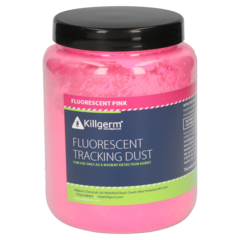
Tracking powder can sometimes be used to monitor rodent movement. Follow the product instructions and ensure it is suitable for the intended environment.
2. Use Appropriate Mouse Traps
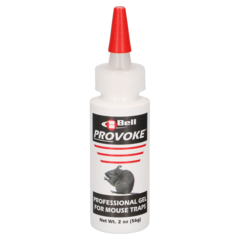
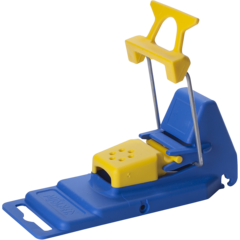
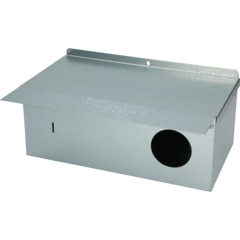
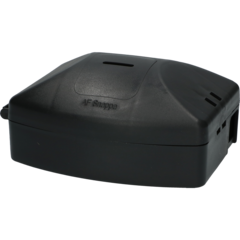
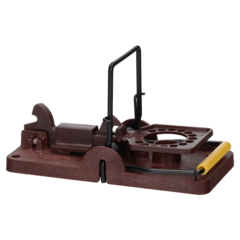
Mouse traps can be used to catch mice. Available options include snap traps and other trap types.
Choose a trap suitable for the location and follow the manufacturer's instructions regarding placement, baiting, and inspection.
In food-handling environments, traps must be placed so they do not contaminate food or work surfaces.
3. Seal Entry Points
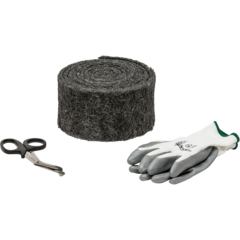
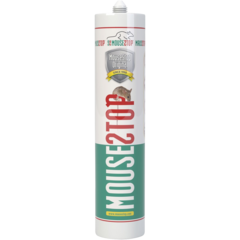
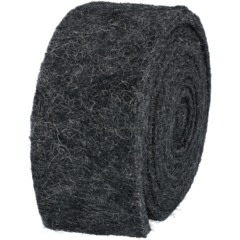
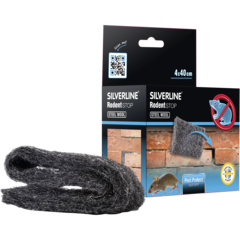
Once you have identified how the mice are entering, those openings should be sealed. Use rodent-resistant sealing products designed for this purpose.
It is important not only to catch the mice already inside the premises. If entry points remain open, the problem is likely to return.
4. Follow Up
Continue monitoring for new droppings, fresh gnaw marks, or other signs of activity.
If the problem persists despite your efforts, a more comprehensive building inspection may be required.
Cleaning Up After Mice
If you find droppings or other evidence of rodents, it is important to clean in a way that does not spread contaminated dust.
Avoid dry sweeping or vacuuming droppings. Instead, dampen the area with a suitable cleaning or disinfecting product and wipe it up using a disposable cloth. Wear gloves and wash your hands thoroughly afterwards.
If signs of mice are discovered in food-handling environments, you must also assess whether food, packaging, or work surfaces have been contaminated. Follow your food hygiene procedures and seek expert advice if necessary.
When Should You Seek Professional Help?
If you find large amounts of droppings, continue to see signs of activity, or cannot identify how the mice are entering, it may be advisable to hire professional pest control services.
For restaurants, grocery stores, and other businesses with strict hygiene requirements, it is especially important to have clear procedures for detecting, addressing, and monitoring pest problems.
Tingstad also offers professional pest control services for businesses, including inspections, advice, and support in identifying suitable corrective measures.

Problems with Pests?
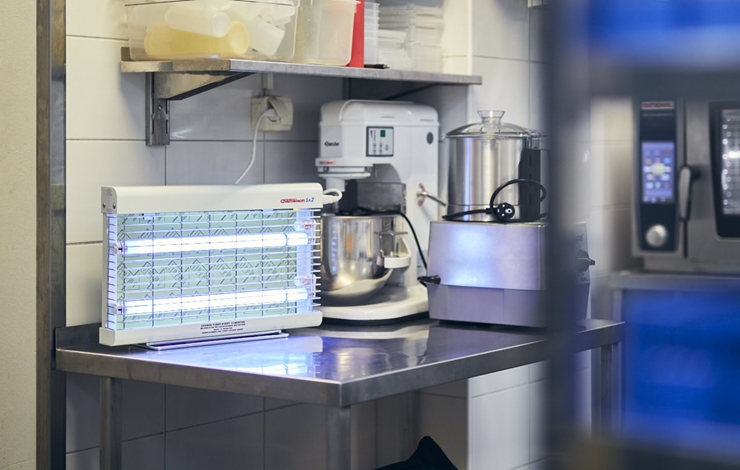
Our pest control service is designed to provide a long-term, hassle-free solution. Our pest control technicians have the expertise needed to give you practical recommendations on what can be improved in your business to help keep pests away.

Pest Control Products.
Get rid of pests! Explore our effective pest control solutions to keep unwanted guests away. From small flies to mice, we have the solutions to protect your business. Short Text: For pest control.
Customer service
About us
Stores
We can help you!
Visiting Address:
Marieholmsgatan 1, 415 02 Gothenburg
Post Address:
Box 13013, 402 51 Gothenburg







Shop safely with

