
 Svenska
 English
 Norsk
Norsk
 Suomi
Suomi
 Dansk
Dansk
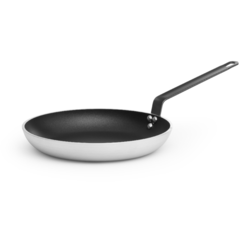
Frying Pans
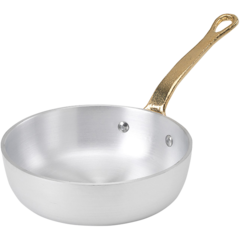
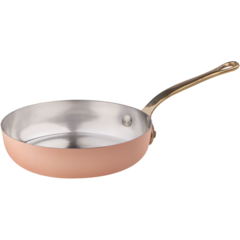
Frying pans for restaurants, commercial kitchens, and professional cooking. The assortment includes models in carbon steel, stainless steel, cast iron, and aluminium, as well as both coated and uncoated frying pans in a range of diameters. Choose a frying pan based on cooking method, material, size, and heat source. Also check whether the model is suitable for induction, oven use, or dishwasher cleaning.
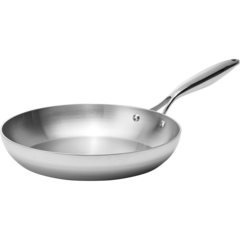
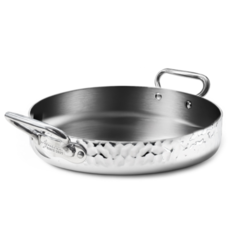
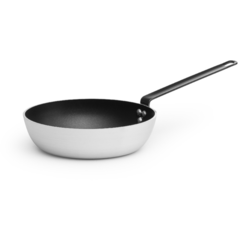

Showing to of articles
Choose a Frying Pan by Material and Coating
Material and construction influence factors such as weight, heat performance, and maintenance requirements.
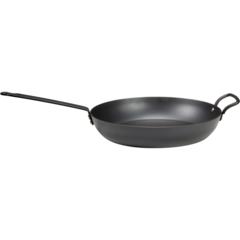
Carbon steel is suitable for frying at higher temperatures and develops a natural patina over time. These pans usually require specific care and should be maintained according to the manufacturer's recommendations.
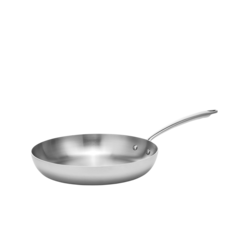
Stainless steel is a versatile option for frying and searing. Base construction and multi-layer designs vary between models and affect performance.
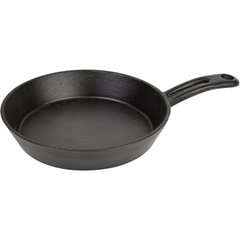
Cast iron is heavy and retains a large amount of heat. Check handle construction, maintenance requirements, and whether the entire pan is suitable for oven use.
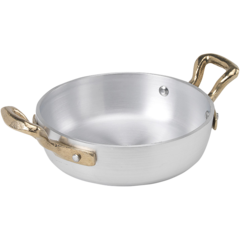
Aluminium is lightweight and responds quickly to temperature changes. For induction cooking, an induction-compatible construction is required.
Coated frying pans feature a surface that helps prevent food from sticking. Temperature limits, cleaning requirements, and suitable utensils vary depending on the coating.
Size, Heat Source, and Cleaning
Choose the diameter according to the quantity being prepared, the size of the cooking zone, and the intended use of the pan. The range includes smaller pans for smaller portions as well as larger models with greater capacity.
Not all frying pans are compatible with every heat source. Check whether the selected model is suitable for induction, gas, electric cooktops, or other cooking surfaces.
Cleaning requirements also vary between materials and coatings. Some frying pans are dishwasher safe, while others should be washed by hand and require special care.
Frequently Asked Questions About Frying Pans
Stainless steel, carbon steel, and cast iron are magnetic and work on induction cooktops. Aluminum and copper require an encapsulated magnetic base plate – always check the product specifications before purchasing.
New carbon steel pans are delivered with a protective wax coating that should be washed off using hot water and a brush. Dry the pan thoroughly, heat it over medium heat, apply a thin layer of heat-resistant oil with a paper towel, and heat until the oil polymerizes and forms a dark surface. Repeat 2–4 times before use.
No. Stainless steel pans without coating can withstand commercial dishwashers. Carbon steel and cast iron should never be put in a dishwasher – alkaline detergents break down the seasoning (patina) and may cause rust. Coated pans should be hand washed to extend the life of the coating.
Replace the pan when the coating shows visible scratches, starts to peel, or when food consistently sticks despite using fat. A damaged coating is both a hygiene and work environment issue.
Yes, for stainless steel, seasoned carbon steel, and cast iron. No, for coated pans. Metal utensils permanently damage the coating. Always use plastic, silicone, or wooden utensils with non-stick cookware.
Customer service
About us
Stores
We can help you!
Visiting Address:
Marieholmsgatan 1, 415 02 Gothenburg
Post Address:
Box 13013, 402 51 Gothenburg








Shop safely with

