
 Svenska
 English
 Norsk
Norsk
 Suomi
Suomi
 Dansk
Dansk
Light Bulbs.
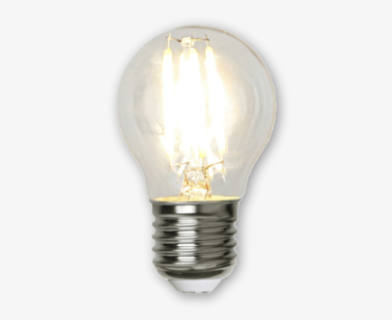
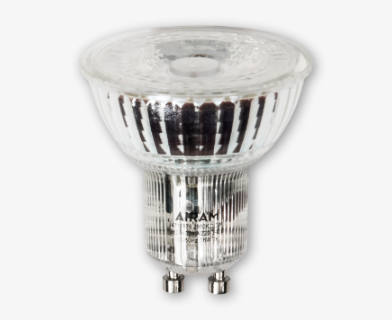
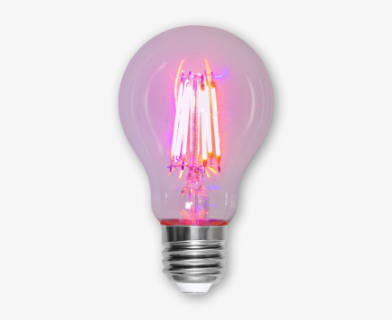
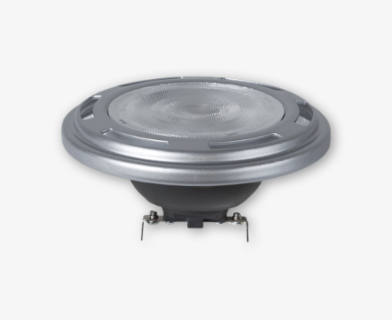
At Tingstad you will find a wide range of light bulbs and lighting products at good prices. We have light bulbs that fit all types of lamps. In our range you will find LED bulbs, halogen bulbs, energy-saving bulbs, fluorescent tubs, IR bulbs and reflector bulbs. LED bulbs are the perfect alternative for you who want to reduce costs as consume up to 80% less energy compared to traditional bulbs. LED bulbs also have a long life and many of our LED bulbs can be dimmed.
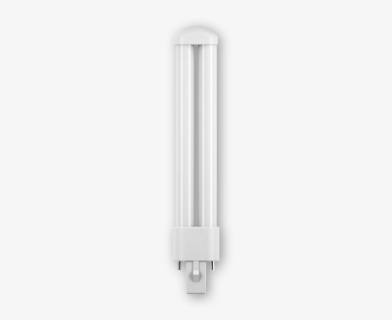
Are you looking for fluorescent tubs? No problem, we offer a wide range of fluorescent tubs. Use our filters to find the fluorescent tubs you need. We offer fluorescent tubs at good prices.
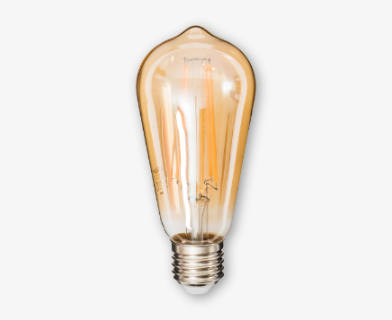
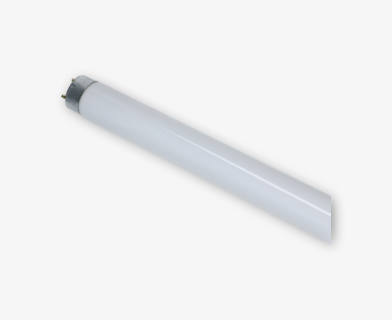
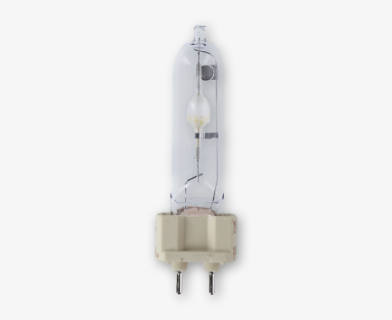
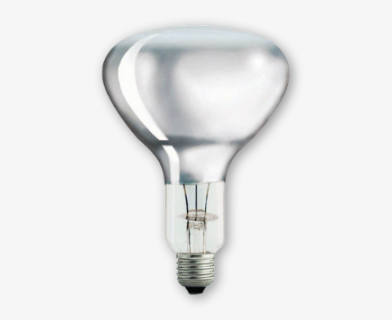
Lighting Concepts to Know – Choose the Right Lighting
Understanding basic lighting concepts is essential when choosing the right light source for your home, office, or business. In this guide, we explain key terms like lumen, watt, color temperature, and the differences between various types of lamps – all to help you make a smart and energy-efficient choice.
Lumen (lm)
Lumen measures the total amount of visible light emitted by a light source. The higher the lumen value, the brighter the light appears. Unlike watt, which measures energy consumption, lumen shows how much light you actually get.
Watt (W)
Watt indicates how much energy a light source consumes. Watt used to be a way to estimate brightness, but today lumen is a more accurate measure. Many lamps include a watt comparison on the packaging to help with selection.
Lumen Chart – Replace Your Old Bulb
| Incandescent Bulb (W) | Replacement Lumen (lm) |
|---|---|
| 15W | 90–135 lm |
| 25W | 220–250 lm |
| 40W | 410–470 lm |
| 60W | 700–805 lm |
| 75W | 1050 lm |
| 100W | 1500 lm |
Color Temperature – Kelvin (K)
Color temperature is measured in Kelvin and describes whether the light feels warm or cool.
- 2700K–3000K = Warm white light (cozy, suitable for living rooms and bedrooms)
- 4000K–5000K = Cool white light (functional, suitable for kitchens, bathrooms, offices)
The lower the Kelvin value, the warmer the light.

Socket Types – Find the Right Light Source
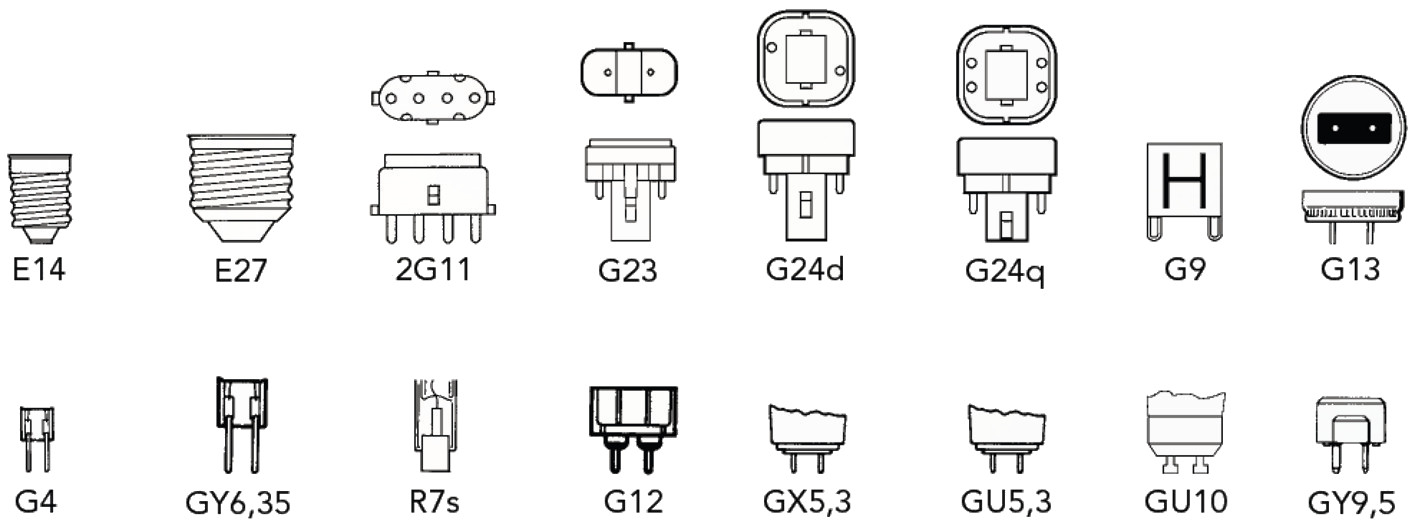
Not sure which socket you need? It’s usually listed on the packaging or directly on the bulb. Common socket types include:
- E27 – large screw base
- E14 – small screw base
- GU10 – bayonet fitting
- G9 – pin base
See our image guide of different socket types here.


Customer service
About us
Stores
We can help you!
Visiting Address:
Marieholmsgatan 1, 415 02 Gothenburg
Post Address:
Box 13013, 402 51 Gothenburg








Shop safely with

