Take away, catering or events? We have everything you need for the season’s dining experiences! Click here!

Fire safety.

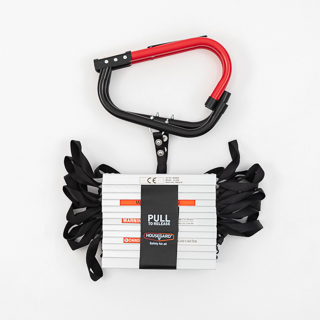
Several times a year it breaks out boards around Sweden on both businesses and the home. Several out the fires had been extinguished on the spot if the correct fire safety equipment had been found. In our range we have fire blankets, fire escapes, fire alarms and fire extinguishers that meet the requirements to put out the most common fires. To take part of our range of fire safety products and feel safer when the fire breaks out.

Product guide: Fire safety

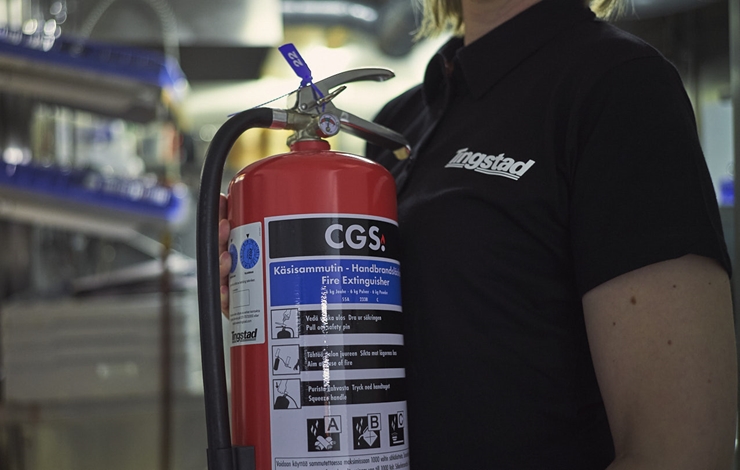
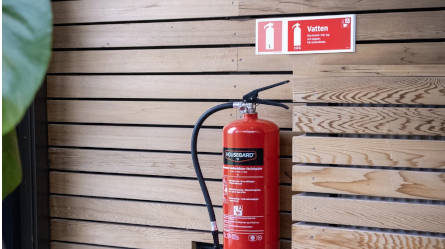
Fire extinguishers are essential safety equipment that are crucial for quickly managing small fires before they spread and cause greater damage. Whether at home, at the workplace, or in a public environment, it is important to have the right type of fire extinguisher in the right location.

There are different types of fire extinguishers, and choosing the correct type depends on the environment where it will be used as well as the type of combustible materials that may be present. A fire extinguisher should not only be easy to use but also properly maintained to be ready when needed.

Common Types of Fire Extinguishers:

Powder Extinguisher (ABC)
This type is the most versatile and can be used to extinguish fires in most environments. It is effective against fires involving solid materials (e.g., wood and plastic), liquids (e.g., gasoline or oil), and electrical fires.

Advantages: Fast and effective. Relatively inexpensive and easy to use.

Limitations: Powder can be difficult to clean, and it may damage electronic equipment or furnishings indoors.

Sizes: Typically 2–12 kg.

Carbon Dioxide Extinguisher (B)
Particularly suitable for fires in electrical equipment and flammable liquids (Class B). Suitable for sensitive environments such as offices and server rooms.

Advantages: Leaves no residue as the extinguishing agent is a gas, ideal for sensitive equipment like server rooms, electrical panels, and machinery.

Limitations: Little or no effect on fires in fibrous materials. CO₂ can cause oxygen deficiency in small, enclosed spaces, so use in ventilated areas.

Sizes: Typically 2–5 kg.

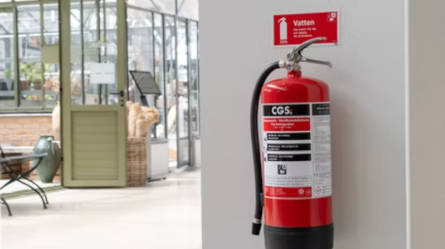
Water/ Foam Extinguishers (A/AB)
Effective for fires in solid materials such as wood, paper, and textiles (Class A). Foam extinguishers also work on flammable liquids (Class B). PFAS-containing foam is being phased out but may still be present in some facilities.

Advantages: Suitable for public spaces like stores, schools, and hotels. Easier to clean up than powder.

Limitations: Requires a larger volume to achieve the same extinguishing effect as powder. Cannot be used on liquid fires.

Sizes: Typically 6–9 liters.

Grease/Oil Extinguishers (F)
Designed to extinguish fires in cooking equipment like fryers and griddles.

Advantages: Effective against fires caused by cooking oils and fats. Special formula quickly suppresses such fires.

Limitations: Lower effect on fibrous materials and other liquids.

Sizes: Typically 6 liters.

Summary:

  • Powder: Effective for most fires. Inexpensive and versatile but messy.
  • CO₂: Ideal for electrical fires. No residue but risky in enclosed spaces.
  • Water/Foam: Suitable for solids and flammable liquids. Good for public spaces.

Fire Classes:
Letters on extinguishers indicate the class of fire they are rated for:

  • A: Organic materials (wood, paper, textiles)
  • F: Cooking oils and fats
  • D: Metals like magnesium
  • C: Flammable gases like propane
  • B: Flammable liquids like oil, gasoline, or lighter fluid

Inspection:

  • Pressure gauge in green zone
  • Hose intact and mounted
  • Seal in place

Lifespan: About 10 years if stored correctly. Check every 5 years. For powder extinguishers, shake and listen for movement. Manufacturing date at the bottom.

FIRE ALARMS

Brandvarnare

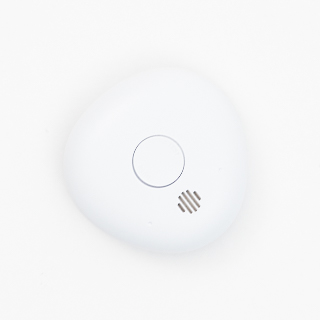
Fires can spread very quickly and the most important part of a fire is to quickly detect where and how it burns and act accordingly.

Fire alarms are today commonplace in most homes and workplaces, but not everyone knows that there are different types of fire alarms. Below you have the four most common types of fire alarms:

FIRE AND SMOKING ALARMS

The most common type of smoke detector is the one that warns of glowing / burning fires. This category of smoke detectors warns when it detects the smoke smoke particles. Fire and smoke detectors can be used in homes, holiday homes, office environments etc.

TEMPERATURE ALARMS

Temperature warning warns when the temperature goes above 58 ° C. Temperature alarms are advantageously placed in spaces where ordinary fire alarms can produce false alarms. Examples of such spaces are damp, cold or dusty spaces such as winds, storage, basement, garage etc. Temperature alarms can be used as a complement to traditional fire alarms.

CARBON MONOXIDE ALARMS

Carbon monoxide alarms warn of toxic gas without color, odor or taste that is formed during a fire. Carbon monoxide detectors can be used as a supplement to traditional fire and smoke detectors, but never replace them.

GAS ALARM

Gas detectors warn of leakage of various combustible gases such as LPG, propane, butane, natural gas, etc. Gas detectors are placed in environments where gas leaks can occur, for example. kitchens, caravans, boats etc.

In addition to the abovementioned fire alarms, you will also find water warning devices in our range. Water alarms warn of water leakage from eg. dishwashers, washing machines and other wet rooms. A practical complement that can help protect your home and office.

For a safer workplace.
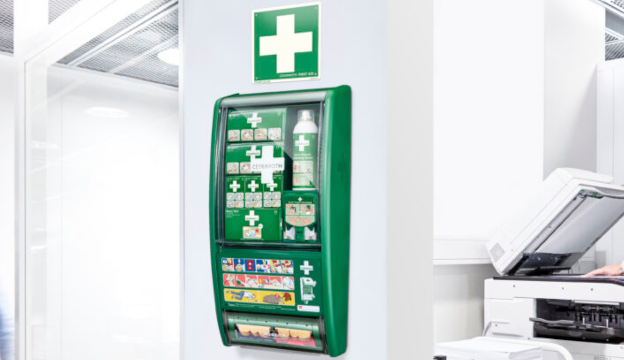
Be prepared if any accident were to happen at your workplace. We offer first aid kits suitable for all types of workplaces.
Shop by Industry
Find the right products for your industry, and see what others in similar business buying.
Sustainability.
We are certified to ISO 14001: 2015 Environmental, and 9001: 2015 for Quality. Read more about what this means for our customers and about our environmental work.

Get the latest updates from Tingstad!

Offers
Inspiration
Information

We can help you!

Visiting Address:

Marieholmsgatan 1, 415 02 Gothenburg

Post Address:

Box 13013, 402 51 Gothenburg

Information