
 Svenska
 English
 Norsk
Norsk
 Suomi
Suomi
 Dansk
Dansk
First Aid for Businesses
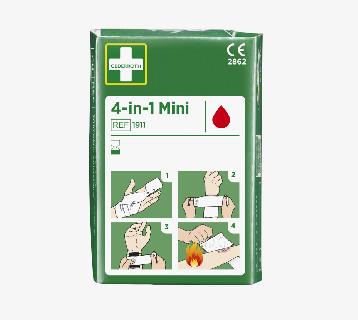
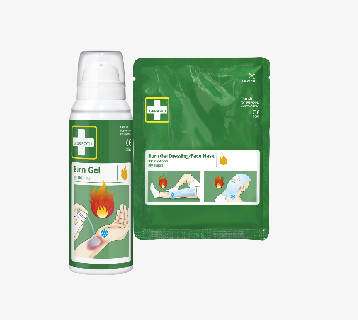
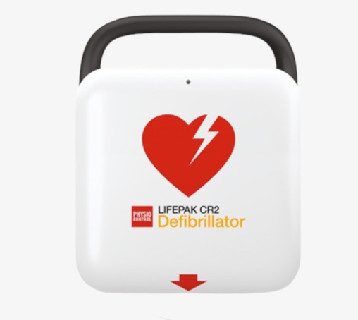
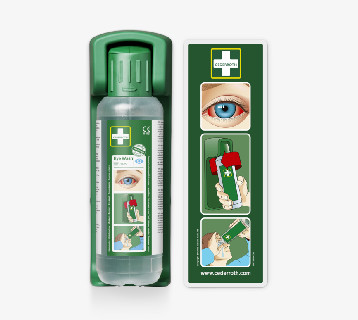
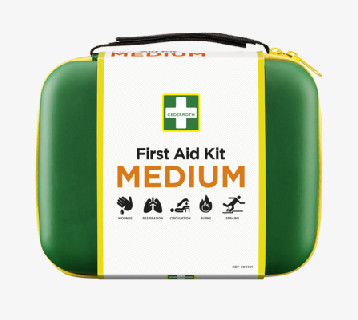
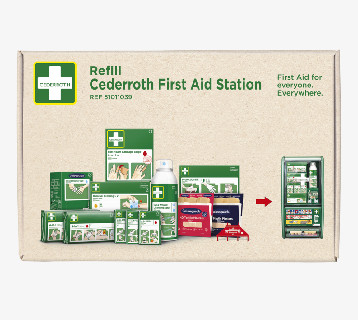
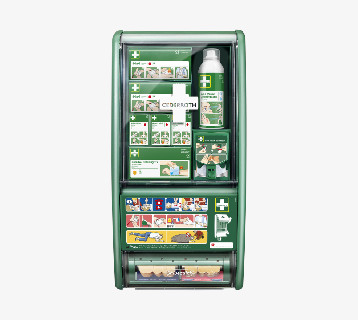
At Tingstad, you'll find first aid equipment for offices, restaurants, warehouses, workshops, and other workplaces. Our range includes plasters, dressings, eye wash solutions, burn care products, first aid stations, and defibrillators from brands such as Cederroth, Snögg, and Akla.
The equipment required depends on the type of business and the risks present. In a restaurant kitchen, for example, it can be useful to have dressings and burn care products readily available, while eye wash equipment may be especially important in environments where chemicals or airborne particles are present. Make sure that equipment is easy to locate, that employees know how to use it, and that used supplies are replenished when needed.





Brands


Adapt the equipment to your industry
Restaurants & Food Industry
In kitchen environments, cuts and burn injuries are the most common. To comply with HACCP requirements, you must use blue detectable plasters that are visible if they end up in food.
Tip: Blue Plasters & Burn Gel
Industry & Workshop
These environments require robust equipment that withstands dust and dirt. If chemicals are handled, a buffered eye wash is critical to protect eyesight in the event of an accident.
Tip: Eye Wash & Dust‑proof Cabinets
Office & Public Environments
Here, accessibility is key. A centrally located AED suitable for use by non‑professionals, along with simple plaster dispensers for everyday injuries.
Tip: AEDs & Wall‑mounted Dispensers
Important Information About Eye Injuries
In operations with a risk of splashes (e.g. cleaning services, laboratories and construction), time is critical. For chemical exposure, rinse immediately with a neutralising (buffered) solution. For dust, saline solution is often sufficient. Read more about eye wash here.
Do You Comply with Workplace Safety Regulations?
According to regulation AFS 1999:7, first aid equipment must be available and clearly marked. Make sure to label the equipment with our Emergency Signs and carry out an inventory check every six months.
Mer att upptäcka

Our softest range.
Toilet paper and paper towels are used in all types of areas. In our own range of papers products you will find products for all industries and applications.

Shop by Industry
Find the right products for your industry, and see what others in similar business buying.

Sustainability.
We are certified to ISO 14001: 2015 Environmental, and 9001: 2015 for Quality. Read more about what this means for our customers and about our environmental work.
Customer service
About us
Stores
We can help you!
Visiting Address:
Marieholmsgatan 1, 415 02 Gothenburg
Post Address:
Box 13013, 402 51 Gothenburg




Shop safely with

