
 Svenska
 English
 Norsk
Norsk
 Suomi
Suomi
 Dansk
Dansk
Defibrillators & CPR Equipment.
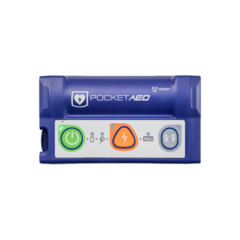
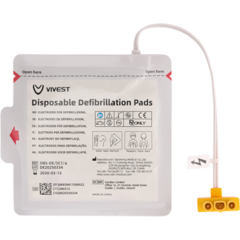
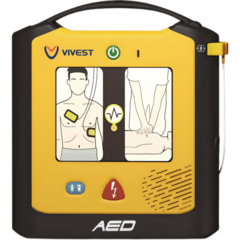
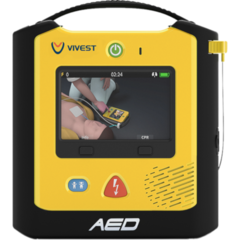
In the event of sudden cardiac arrest, every second counts. Having a defibrillator readily available at the workplace, in a housing association or at a sports club is the single most important action to save lives. Here you’ll find the market’s most reliable defibrillators from leading manufacturers such as Philips, Lifepak, Mindray and Samaritan. All models are designed for use by non‑medical personnel, with clear voice instructions guiding you through every step. We also offer a complete range of CPR accessories, batteries, electrodes and storage cabinets.
Showing to of articles
Choosing the Right Defibrillator
Many people believe that medical training is required to use a defibrillator, but modern devices are fully or semi‑automatic and analyze the heart rhythm themselves. They instruct you when to perform CPR and when to deliver a shock. The most important consideration is the environment where the device will be installed.
Offices and Public Environments
For offices, hotels and home use, we often recommend models such as the Philips HeartStart HS1 or Samaritan PAD. These devices are user‑friendly, compact and cost‑effective. They are designed for dry, clean environments and are easy to understand even in stressful situations.
Industrial, Outdoor and Harsh Environments
If the defibrillator is to be placed in a dusty workshop, a swimming facility or outdoors in a heated cabinet, a more robust unit with a high IP rating (protection against dust and water) is required. Models such as the Philips FRx, Lifepak CR2 or Mindray BeneHeart are built to withstand rough handling, moisture and even drops onto hard surfaces.
Don’t Forget Maintenance (Batteries & Electrodes)
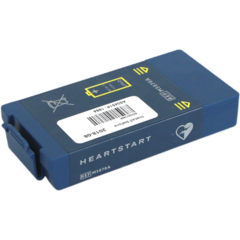
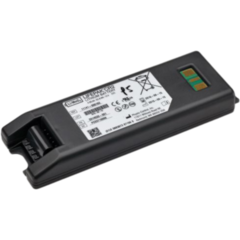
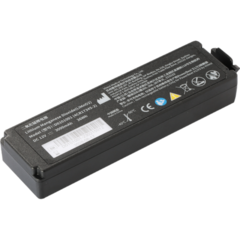
A defibrillator is only effective if it works. Batteries and electrodes are consumables and must be replaced regularly (typically every 2–5 years depending on the model).
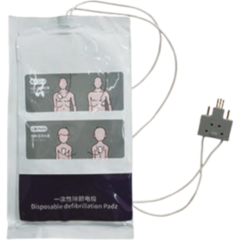
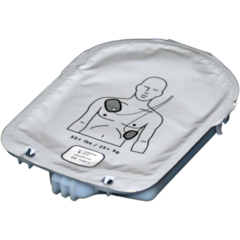
- Electrodes: Dry out over time and must be replaced after their expiration date, even if never used.
- Children: Many models require pediatric electrodes or a “child key” to be used safely on children under 25 kg (55 lbs).
- Batteries: Devices usually alert you when battery capacity is low—still, check the status indicator regularly.
Storage and Visibility
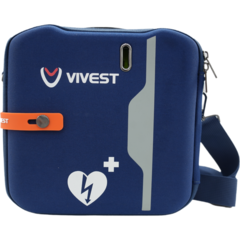
For your investment to make a difference, it must be visible. We strongly recommend storing the defibrillator in a Wall Cabinet or Mount and clearly marking it with an emergency sign visible throughout the premises. Outdoor installations require a heated cabinet to protect batteries and electrodes from cold temperatures.
CPR Equipment (Cardiopulmonary Resuscitation)
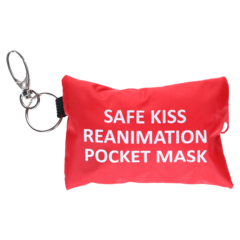
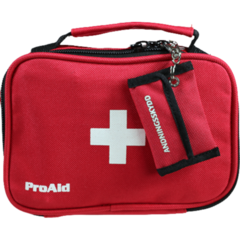
A defibrillator should always be used in combination with CPR (chest compressions and rescue breaths). To protect the rescuer, we recommend attaching a CPR kit (including a breathing mask/pocket mask, gloves and scissors) to the defibrillator. The scissors are critical for quickly cutting open clothing so electrodes can be applied directly to the skin.
Customer service
About us
Stores
We can help you!
Visiting Address:
Marieholmsgatan 1, 415 02 Gothenburg
Post Address:
Box 13013, 402 51 Gothenburg







Shop safely with

