
 Svenska
 English
 Norsk
Norsk
 Suomi
Suomi
 Dansk
Dansk
Wound Cleansing & Disinfection.
Applying a plaster to a dirty wound only traps bacteria and increases the risk of infection. That’s why thorough cleansing is the most important step in all first aid. Here you’ll find everything from classic sterile wound cleansers from Salvequick (designed to fit your plaster dispenser) to wound sprays and bottles for rinsing contaminated abrasions. We offer products that are gentle on the skin but tough on dirt—suitable for both adults and children.
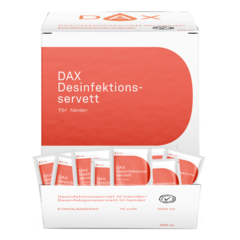
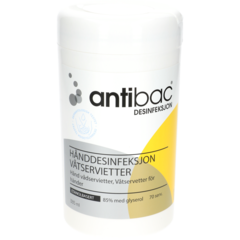
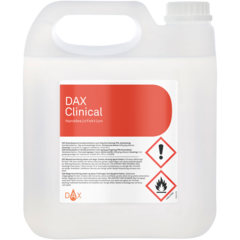
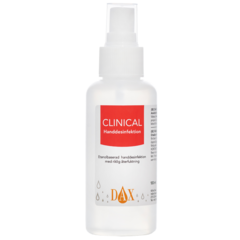


Showing to of articles
How to clean wounds properly
A clean wound heals faster and with less scarring. Whether it’s a small cut or a larger abrasion, the principle is the same: clean first, cover later.
Wound wipes (swabs) or liquid (spray)?
Both serve important purposes and complement each other:
- Sterile wound wipes (Salvequick): These single‑use wipes are standard in most wall‑mounted dispensers. They are soaked in physiological saline solution or sterile water. Ideal for cleaning minor cuts and wiping away blood around the wound edges. Because they are individually packaged, they remain sterile until opened.
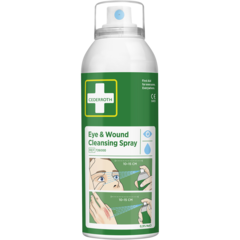
- Wound spray & bottles: For abrasions contaminated with gravel or dirt, a wipe alone is often insufficient. In these cases, a spray (e.g. Cederroth Eye & Wound Cleansing Spray) is used to mechanically flush away particles under pressure. The spray is usually pain‑free and non‑stinging, making it suitable for children.
Should you use alcohol solution or chlorhexidine?
In the past, it was common to disinfect all wounds with alcohol. Today, healthcare providers often recommend gentler methods for everyday wounds.
- Saline solution (sterile water): Usually the first choice. It is gentle on the body’s own cells and does not sting.
- Disinfection (alcohol/chlorhexidine): Primarily used when the wound is heavily contaminated (e.g. soil‑contaminated wounds or animal bites) or when there are signs of infection. Keep in mind that strong alcohol can dry out wound edges and delay healing if used too frequently.
Disinfection of hands and surfaces
Remember that the person providing care should also be clean.
- Surface disinfection: For cleaning the couch or table where the dressing takes place.
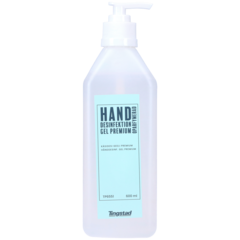
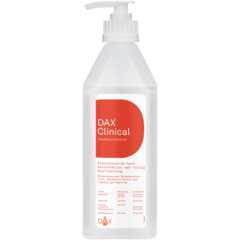
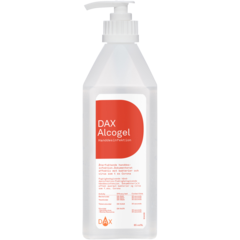
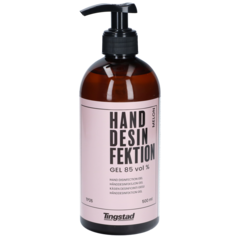
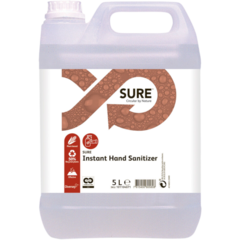
- Hand disinfection: Hand sanitizer should always be available at your First Aid Station so the caregiver does not introduce new bacteria into the wound.
Cleaning the eyes
Many wound sprays can also be used as eye wash to flush out dust. However, in chemical accidents, specific buffered solutions are required. These can be found under the category Eye Wash & Eye Wash Stations.
Customer service
About us
Stores
We can help you!
Visiting Address:
Marieholmsgatan 1, 415 02 Gothenburg
Post Address:
Box 13013, 402 51 Gothenburg








Shop safely with

