
 Svenska
 English
 Norsk
 Suomi
 Dansk
Gloves
At Tingstad, you'll find gloves for a wide range of professions and work tasks. Our range includes everything from work gloves and assembly gloves for construction, warehousing, and industry to disposable gloves and dishwashing gloves for restaurants, cleaning, and other businesses.
You'll also find protective gloves for specific workplace hazards, lightweight cotton gloves, and insulated winter gloves for working in cold conditions. Choose the type of glove that suits your job and compare materials, fit, and protective features across our different categories.
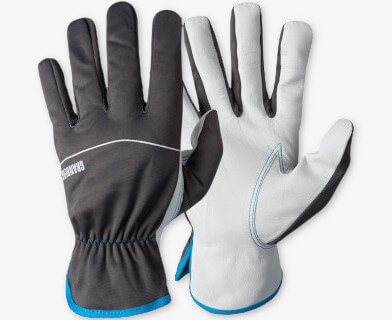
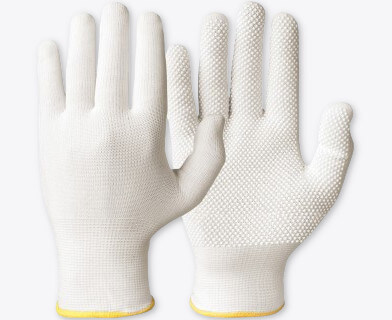
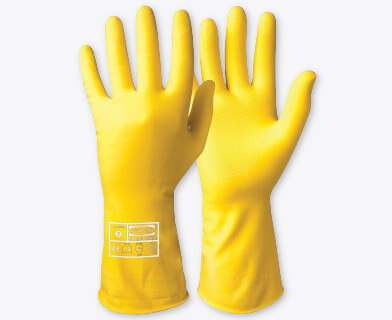
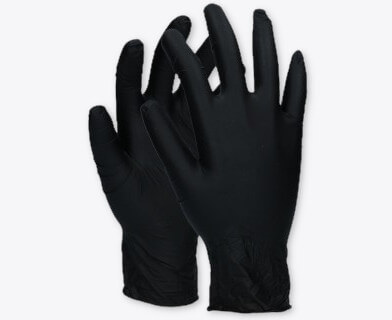
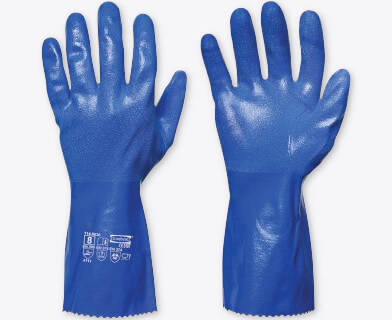
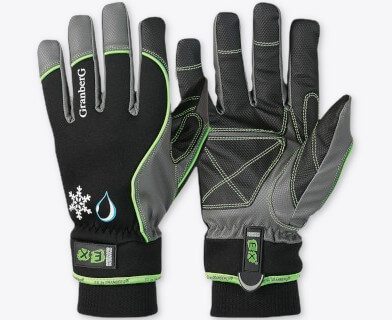
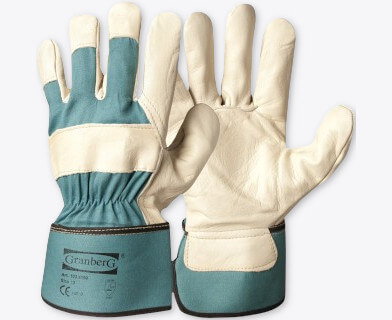
Find the Right Gloves for the Job
Different tasks require different types of gloves. For assembly work and handling small components, grip and fingertip sensitivity are often important, while heavier tasks may place greater demands on durability and protection. In restaurants, healthcare, and cleaning environments, the focus may instead be on gloves for cleaning, single-use applications, or specific hygiene requirements.
Work Gloves, Assembly Gloves and Protective Gloves
For construction, warehousing, industry, and workshop environments, there are several types of work gloves available. Assembly gloves are often suitable when you need to handle small parts or maintain a strong grip on tools and materials.
If you need protection against specific hazards such as cuts, chemicals, or heat, it is important to choose protective gloves with the correct certifications and markings. Always check what the glove has been tested and approved for.
Disposable Gloves, Dishwashing Gloves and Cotton Gloves
Disposable gloves are commonly used in food handling, healthcare, and cleaning. They are available in materials such as nitrile, vinyl, and latex, each with different properties and applications.
For dishwashing and cleaning, dishwashing gloves are available, while thin cotton gloves and textile gloves can be used as liner gloves or for light handling tasks.
Winter Gloves for Cold Environments
If you work outdoors or in cold facilities, insulated winter gloves are available in a variety of designs. The amount of insulation and the type of grip required depend on the temperature and the work being performed.
Keep in mind that not all winter gloves provide the same level of protection against moisture, cold, or mechanical risks.
Choose Gloves Based on Your Working Environment
Start by considering what the gloves will be used for. Then compare factors such as material, size, and any relevant protective certifications.
If you're unsure which level of protection is required, read our work glove guide, where we explain common glove types and their key features.
Guides & knowledge
We help you understand certifications, protection classes, and material choices.

Guide
Choose the right work gloves
Cut protection, heat protection, or precision work? Match materials and protection level to your tasks.

Guide
Disposable gloves – nitrile, latex or vinyl?
The choice of material plays a big role in allergy risks, chemical protection and comfort. Learn which material best suits your needs.
Guide
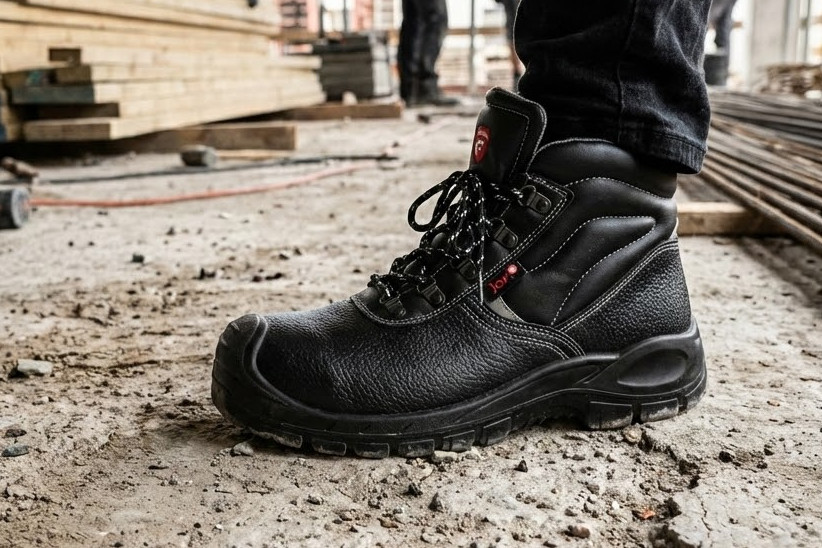
Understand protection classes – S1, S1P and S3
Wrong shoes lead to tired feet and unnecessary strain injuries. We explain the concepts around toe caps and puncture protection so you can walk safely and comfortably all day.
Customer service
About us
Stores
We can help you!
Visiting Address:
Marieholmsgatan 1, 415 02 Gothenburg
Post Address:
Box 13013, 402 51 Gothenburg







Shop safely with

