
 Svenska
 English
 Norsk
 Suomi
 Dansk
Narrow by:
0
-
Popular
-
Eu ecolabel
-
Boa®
-
Cordura®
-
Gore-tex®
-
Hdry®
-
Helly tech®
-
Infinergy®
-
Metal-free
-
Metal-free protection
-
Monitex®
-
Quin
-
Vibram®
-
Waterproof
-
Outlet
-
Reduced price
-
Ce
-
Protective footwear, en iso 20345:2022
-
Chelsea evolution
-
Classic plus
-
Compositelite
-
Exalter
-
Fun
-
Gran premio
-
Green line
-
Heavy duty
-
Ice evolution
-
Jo_advanced
-
Jo_dynamic
-
Jo_max
-
Jo_mono
-
Jo_twist
-
Kaptiv
-
Kensington
-
L10
-
New classics
-
Next gen
-
Oryxen
-
Oxelösund
-
Oxford
-
Paradox
-
Recharge
-
Record
-
Run@work
-
Steelite
-
Striker
-
Svartå
-
Tempus
-
Tio
-
Transfoamers
-
Umeå
-
Vip
-
Wellmaxx maxximo
-
Wellmaxx new feel
-
Wellmaxx sports
-
Wellmaxx street
-
Zenit
-
Zenit evo
-
Protective footwear, en iso 20345:2022, s1
-
Protective footwear, en iso 20345:2022, s1p
-
Protective footwear, en iso 20345:2022, s1pl
-
Protective footwear, en iso 20345:2022, s1ps
-
Protective footwear, en iso 20345:2022, s2
-
Protective footwear, en iso 20345:2022, s3
-
Protective footwear, en iso 20345:2022, s3l
-
Protective footwear, en iso 20345:2022, s3s
-
Protective footwear, en iso 20345:2022, s7s
-
Antistatic, a
-
Cold insulation, ci
-
Energy absorption, e
-
Esd
-
Fuel and oil resistance, fo
-
Heat insulation, hi
-
Heat resistance outsole, hro
-
Ladder grip, lg
-
Perforation resistance, p
-
Perforation resistance, pl
-
Perforation resistance, ps
-
Scuff cap, sc
-
Slip resistance, sr
-
Slip resistance, sra
-
Slip resistance, srb
-
Slip resistance, src
-
Water penetration and absorption, wpa
-
Water resistance, wr
-
Unisex
-
Women
-
Arbesko
-
Base protection
-
Blåkläder
-
Elten
-
Graninge
-
Helly hansen workwear
-
Jalas
-
Jori by elten
-
Lowa work
-
Monitor
-
Perf
-
Portwest
-
Projob
-
Sievi
-
Solid gear
-
Steelblue
- Home
- Workwear, Shoes & accessories
- Work Shoes
- Safety Shoes
Narrow by:
0
-
Popular
-
Eu ecolabel
-
Boa®
-
Cordura®
-
Gore-tex®
-
Hdry®
-
Helly tech®
-
Infinergy®
-
Metal-free
-
Metal-free protection
-
Monitex®
-
Quin
-
Vibram®
-
Waterproof
-
Outlet
-
Reduced price
-
Ce
-
Protective footwear, en iso 20345:2022
-
Chelsea evolution
-
Classic plus
-
Compositelite
-
Exalter
-
Fun
-
Gran premio
-
Green line
-
Heavy duty
-
Ice evolution
-
Jo_advanced
-
Jo_dynamic
-
Jo_max
-
Jo_mono
-
Jo_twist
-
Kaptiv
-
Kensington
-
L10
-
New classics
-
Next gen
-
Oryxen
-
Oxelösund
-
Oxford
-
Paradox
-
Recharge
-
Record
-
Run@work
-
Steelite
-
Striker
-
Svartå
-
Tempus
-
Tio
-
Transfoamers
-
Umeå
-
Vip
-
Wellmaxx maxximo
-
Wellmaxx new feel
-
Wellmaxx sports
-
Wellmaxx street
-
Zenit
-
Zenit evo
-
Protective footwear, en iso 20345:2022, s1
-
Protective footwear, en iso 20345:2022, s1p
-
Protective footwear, en iso 20345:2022, s1pl
-
Protective footwear, en iso 20345:2022, s1ps
-
Protective footwear, en iso 20345:2022, s2
-
Protective footwear, en iso 20345:2022, s3
-
Protective footwear, en iso 20345:2022, s3l
-
Protective footwear, en iso 20345:2022, s3s
-
Protective footwear, en iso 20345:2022, s7s
-
Antistatic, a
-
Cold insulation, ci
-
Energy absorption, e
-
Esd
-
Fuel and oil resistance, fo
-
Heat insulation, hi
-
Heat resistance outsole, hro
-
Ladder grip, lg
-
Perforation resistance, p
-
Perforation resistance, pl
-
Perforation resistance, ps
-
Scuff cap, sc
-
Slip resistance, sr
-
Slip resistance, sra
-
Slip resistance, srb
-
Slip resistance, src
-
Water penetration and absorption, wpa
-
Water resistance, wr
-
Unisex
-
Women
-
Arbesko
-
Base protection
-
Blåkläder
-
Elten
-
Graninge
-
Helly hansen workwear
-
Jalas
-
Jori by elten
-
Lowa work
-
Monitor
-
Perf
-
Portwest
-
Projob
-
Sievi
-
Solid gear
-
Steelblue
Safety Shoes
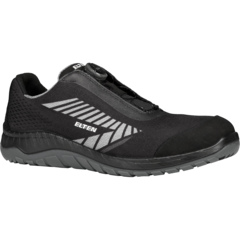
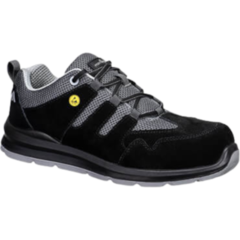
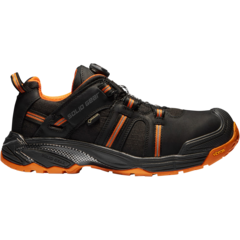
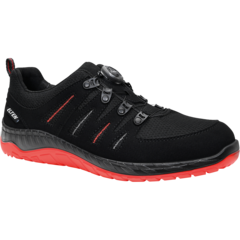
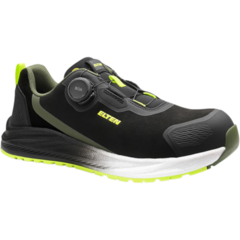
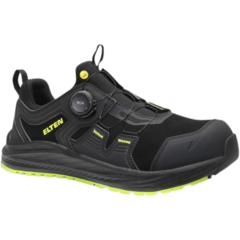
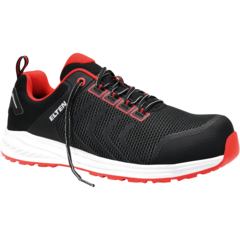
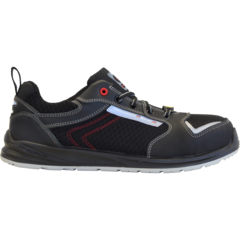
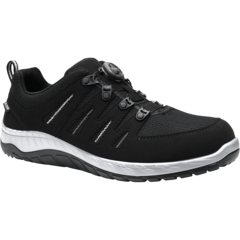
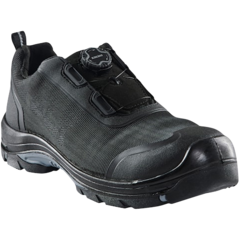
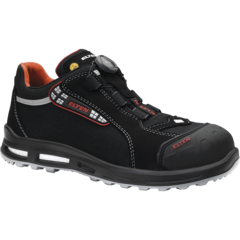
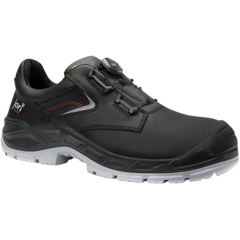
At Tingstad, you'll find safety shoes for work in construction, industry, warehousing, and other environments where your feet need extra protection. Choose from models with safety toe caps, puncture-resistant protection, and various features designed for both indoor and outdoor work. We offer safety shoes from brands such as Solid Gear, Monitor, Sievi, Arbesko, and Jalas. The range includes several safety classes, from S1 and S3 to other variants with specialised protective features. Compare the models based on your working environment, fit, and the requirements of your workplace.
Showing to of articles
How to Choose the Right Safety Shoes
The safety shoes you need depend on your working environment and the risks involved. For warehouse or production work, a lighter model may be sufficient, while construction and outdoor work often require additional features such as puncture-resistant protection, slip resistance, and protection against moisture.
Start by checking which safety rating is required. Then consider the fit, outsole features, and whether you need any additional protection. If you spend long hours walking or standing, it is also worth comparing the shoes' weight and cushioning.
What Do S1, S1P, S2 and S3 Mean?
Safety shoes are classified according to EN ISO 20345, which specifies requirements for safety toe caps and other protective features. Here are some common classifications:
- S1: Includes a safety toe cap, closed heel area, antistatic properties, and energy absorption in the heel. Commonly used in dry working environments.
- S1P: Includes the same basic features as S1, plus protection against penetration from sharp objects through the sole.
- S2: Includes the same basic features as S1, plus water-resistant upper materials.
- S3: Combines the features of S2 with puncture-resistant protection and a cleated outsole.
You may also encounter classifications such as S1PL, S1PS, S3L, and S3S. These indicate, among other things, the type of puncture-resistant protection used and how it has been tested.
Do You Need ESD, Slip Resistance or Waterproof Safety Shoes?
In addition to the safety classification, footwear may have other features that are important for specific tasks.
- ESD: Suitable for environments where electrostatic discharge must be controlled, such as when working with sensitive electronics.
- SR: Indicates that the footwear has passed a specific slip-resistance test.
- WR: Indicates that the entire shoe has been tested for resistance to water penetration.
- FO: Indicates that the outsole has been tested for resistance to fuel oil.
Keep in mind that an S3 classification does not automatically mean that the shoe is fully waterproof. Always review the complete product marking and select footwear according to the requirements of your workplace.
Fit and Comfort Throughout the Workday
Safety shoes are often worn for many hours at a time, so a proper fit is essential. Your toes should have enough room to move freely, while the shoe should fit securely around the foot without causing pressure.
Different models offer different types of cushioning, materials, and lacing systems. If possible, compare different fits to determine which works best for you, especially if the shoes will be worn during long shifts.
Customer service
About us
Stores
We can help you!
Our customer service is open Monday - Friday 7.00-18.00. We can help you with questions regarding your order, delivery., invoice, returns, complaints etc
Visiting Address:
Marieholmsgatan 1, 415 02 Gothenburg
Post Address:
Box 13013, 402 51 Gothenburg






Shop safely with

